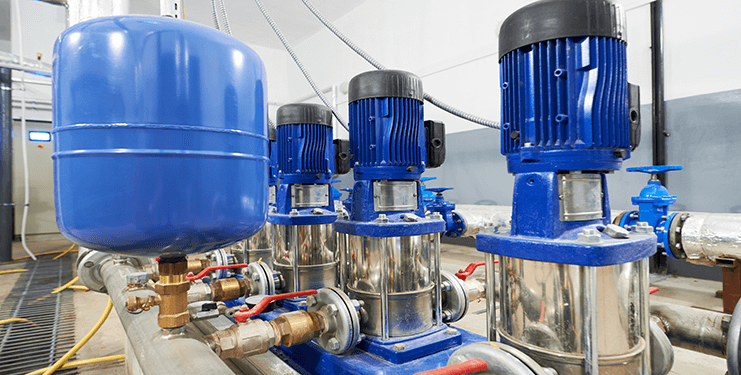
Booster set image

7 Common Problems with Booster Pumps and How to Fix Them

What Is a Water Booster Pump — and Why Do They Fail?

Booster pumping systems — also called booster sets, water pressure pumps, or pressure pumps — are used to increase water pressure in buildings where it would otherwise be too low. They’re essential in apartment blocks, hotels, schools, leisure centres, and any building where every outlet needs reliable pressure.

When a water pressure pump fails or stops working properly, the impact is immediate. Residents may lose the pressure needed to shower, flush a toilet, or run a tap — and in commercial buildings, a pressure pump failure can shut down operations entirely.

This guide covers the seven most common causes of booster pump and pressure pump failure, what you can check yourself, and when you need to call a pump repair engineer. If your pressure pump isn’t working right now, call us on 0117 954 8030 — our engineers are available for emergency pressure pump repair across the South West.

Booster set image

1. Water Pressure Pump Not Working — Pump Won’t Start

The symptom: No water reaches any outlet fed by the system. The pump may be silent, or it may hum or click without actually running. This is one of the most common reasons customers call us for emergency pressure pump repair.

Why it happens: A pump that won’t start is usually down to a power failure, a low water level in the break tank (which triggers low-level protection and stops the pump as a safety measure), a tripped breaker, a faulty sensor, a control panel fault, or motor failure.

What to check yourself: Confirm there isn’t a power cut affecting the building, and check whether the pump needs to be manually reset after one. Check that the break tank has sufficient water and that the ball valve hasn’t failed.

When to call a professional: If power and water level both check out and the pump still won’t start, stop resetting it — repeated resets can mask a developing electrical or mechanical fault and cause further damage. Arrange a full inspection from a pump engineer.

2. High Running Noise

The symptom: The pump is noticeably louder than usual — grinding, humming, rattling, or vibrating noises that disturb building users or weren’t there before.

Why it happens: Common causes include high demand on the system, incorrect pump positioning, worn or ageing components, and vibration transferring through the pump or pipework into the building structure.

What to check yourself: Check the pump isn’t being asked to meet more demand than it’s rated for, and look for obvious vibration transfer through pipe fixings or the pump’s mounting.

When to call a professional: If noise persists after basic checks, or you’re not confident assessing demand and component wear yourself, arrange a maintenance visit. Vibration isolators such as mats, bases, and springs are often fitted by an engineer as a permanent fix. Read more in our guide to best practice for controlling noise in booster pumping systems.

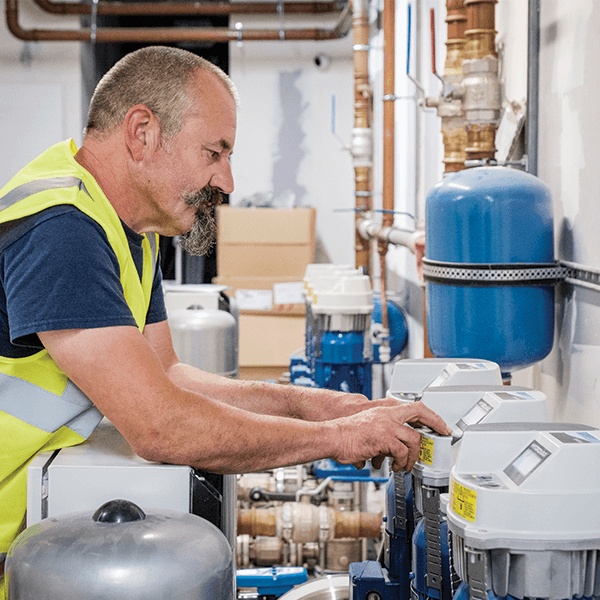
An image of an engineer programming a booster set

3. Leakage

The symptom: Visible water around the pump unit, pooling, damp patches, or a noticeable drop in system pressure with no other explanation.

Why it happens: Leaks are commonly caused by broken valves, worn or cracked seals, or water pressure being set too high for the system to handle.

What to check yourself: Visually inspect the pump and its components for the source of the leak — valves, seals, and pipe joints are the most likely culprits.

When to call a professional: If you can’t identify the source, or the leak is from inside the pump casing itself, arrange an inspection rather than letting it continue, as a leak can develop into a full pressure pump failure. If you’re responsible for ongoing maintenance, our free booster pump maintenance inspection checklist covers the key components worth checking regularly.

4. Contamination

The symptom: Discoloured water, an unusual smell or taste, or a positive result from water testing.

Why it happens: Contamination is usually caused by inadequate cleaning of the pump or poor maintenance of the cold water storage tank feeding it.

What to check yourself: Nothing — this is not a DIY check. Do not continue to use water from the system if you suspect contamination.

When to call a professional: Immediately. Switch the pump off and arrange a full inspection with an engineer who can test, clean, and disinfect the cold water tank. This is a health and safety issue, not just a mechanical one.

Leakage and Contamination are serious emergencies which require immediate action! Get in touch with us if you need fast 24/7 support.

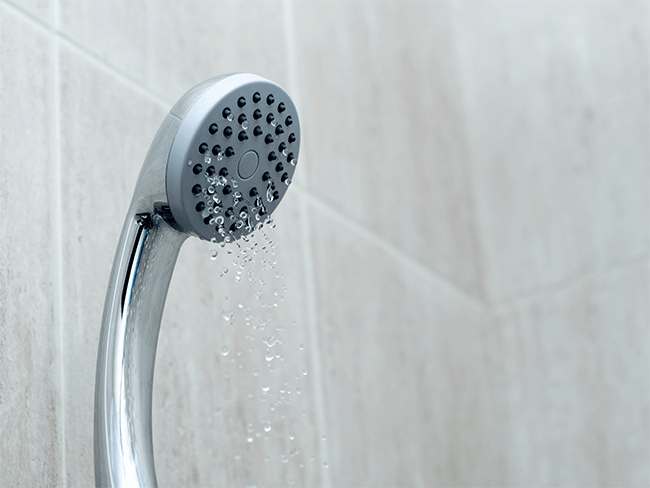
Low water pressure in showerhead

5. Low Water Pressure

The symptom: Outlets fed by the booster set deliver weaker water flow than expected — showers losing pressure, taps running slow, or pressure that drops further during periods of high demand.

Why it happens: A drop in pressure can be caused by high demand on the system, the age and suitability of the pump for current usage, a faulty sensor, valve failure, or a leak elsewhere in the system.

What to check yourself: Note whether low pressure happens at specific times (suggesting a demand issue) or constantly (suggesting a mechanical fault), and do a visual inspection of the unit for obvious leaks or damage.

When to call a professional: If a visual inspection doesn’t reveal the cause, arrange for an engineer to assess whether a repair will resolve the issue or whether the pump is no longer suited to current demand and needs replacing. For more detail, see our guide on how to improve water pressure.

6. High Operating Costs

The symptom: A noticeable rise in energy bills that can’t be fully explained by energy price increases.

Why it happens: As pressure pumps age, they become less efficient — particularly when they aren’t professionally maintained. Older pumps lack the efficiency features built into modern units.

What to check yourself: Compare your current bills against historical usage and check when the pump was last serviced or replaced. Persistent inefficiency despite regular maintenance is a sign the unit may be due an upgrade.

When to call a professional: If your bills are rising and you’re unsure why, arrange a pump energy check to get an accurate picture of current performance and whether upgrading could save you money while reducing your carbon footprint.

7. Pressure is too High

The symptom: Pressure noticeably higher than the system is designed for, sometimes accompanied by banging pipes, leaks, or premature wear on fittings.

Why it happens: The most common cause is a faulty pressure relief valve (PRV) — either set too high or stuck open — putting unnecessary strain on the pump and pipework without any benefit to building occupants.

What to check yourself: Check the pressure gauge reading against the system’s intended operating pressure, and try manually reducing the pressure if the controls allow it.

When to call a professional: If the PRV won’t close, or pressure doesn’t drop after adjustment, arrange an inspection from an engineer — a stuck PRV will continue to strain the system until it’s repaired or replaced.

Pressure Pump Troubleshooting: Quick Reference Table

For a fast diagnostic reference, here’s a summary of all seven issues:

#SymptomLikely CauseQuick CheckCall a Professional If…
1Pump won’t start, no water at outletsPower failure, low break tank level, tripped breaker, sensor or motor faultCheck power supply and break tank water levelPower and water are fine but pump still won’t start
2High running noiseHigh demand, poor positioning, worn parts, vibrationCheck demand level and pipe/mounting vibrationNoise persists after basic checks
3LeakageBroken valves, worn seals, excess pressureVisually inspect valves, seals, and jointsSource can’t be identified, or leak is from inside the casing
4Contamination (discoloured/smelly water)Poor pump or tank cleaning/maintenanceNone — do not use the waterAlways — switch off and call immediately
5Low water pressureHigh demand, ageing pump, faulty sensor, valve failure, leakNote when it happens; check for visible leaks/damageCause isn’t obvious from a visual check
6High operating costsAgeing or inefficient pumpCompare bills to usage and last service dateBills keep rising with no clear explanation
7Pressure too highFaulty or stuck pressure relief valve (PRV)Check gauge against intended pressure; try manual adjustmentPRV won’t close or pressure won’t drop

If your issue isn’t resolved by the checks above, our engineers are available 24/7 for pressure pump repair across the South West and South Wales — call 0117 954 8030.

Water Pump Repair Near You

If you’ve worked through the checks above and your pressure pump still isn’t working, or you’d rather not risk further damage, it’s time to call in a professional.

Mawdsleys Pump Services provide pressure pump repair and water booster pump repair across the South West and South Wales, with engineers covering Bristol, Bath, Gloucester, Swindon, Cardiff, and the surrounding areas. We work on systems from all major manufacturers and carry extensive parts stock, so most pressure pump repairs are completed in a single visit.

Searching for a “water pump repair near me”? Get in touch or call 0117 954 8030 — our team is available 24/7 for emergency pressure pump repair.

Pressure Pump Failure FAQs

The most common causes are power failure, low water level in the break tank, a tripped breaker, sensor failure, or motor failure. Check the power supply and tank level first — if the pump still won’t start, it’s best to arrange an inspection rather than keep resetting it, as this can cause further damage.

This is usually caused by a faulty pressure switch, a worn impeller, a leak in the system, or the pump being undersized for current demand. A visual inspection can rule out obvious causes, but diagnosing the exact fault usually needs a qualified engineer.

It depends on the age of the pump, the cost of the repair, and how efficiently it’s running. Our engineers will always explain whether a repair makes sense or whether replacement will be more cost-effective in the long run, factoring in running costs as well as the upfront price.

We offer 24/7 emergency pressure pump repair across the South West and South Wales. In most cases, we can have an engineer on-site the same day, and many repairs are completed in a single visit thanks to our parts stock.

If your pressure pump has failed completely, switch it off at the isolator if it’s tripping repeatedly, and avoid repeatedly resetting it. If you suspect a leak or contamination, isolate the system and call us immediately — these need urgent attention.

Comments are closed.