An image of three schoolboys

Back To School – Are Your Pumps Ready for the New Term?

Pumping system maintenance for schoolsWith summer coming to an end, the new term is looming for schools and other educational establishments across the country.

In these environments, proper maintenance of pumps and associated equipment is essential, but stretched budgets, no maintenance plans and lack of knowledge can often result in schools dealing with unexpected breakdowns.

In our latest blog post, we’ll run through the risks of failing to maintain pumping equipment in schools, the pumps most commonly found in schools, checks you can carry out and how Mawdsleys can help ensure your pumps stay up and running all year round.

2 engineers in hi vis jackets in front of two Mawdsleys Vans

Dirty Water Pumping Systems – Maintenance and Common Issues

Wastewater pumps — sometimes called dirty water pumps — are used wherever gravity alone can’t move water where it needs to go: pumping sewage into a main sewer, draining a commercial yard, transporting waste at a treatment plant, or managing dirty water and yard run-off on farms. The right pump for the job depends on the flow rate, pressure and distance the water needs to travel.

There’s never a convenient time for a wastewater pump to fail, but certain conditions make failure more likely. Heavy rainfall and falling leaves — most common in autumn — significantly increase the risk of blockages, while general wear over time affects seals, floats and electrical components year-round. Regular wastewater pump maintenance is the most effective way to prevent both.

This guide covers the most common problems we see in wastewater and sewage pumping systems, what causes them, and how a planned maintenance schedule prevents them from becoming costly breakdowns or emergency sewage pump repairs.

Common Problems with Wastewater Pumping Systems

Dirty Water Pump On Farm

Pump Tripping the MCB (Miniature Circuit Breaker) This is often a sign that water has entered the pump’s motor winding. Heavy rainfall — more common in autumn than summer — increases the likelihood of this fault occurring. It can usually be resolved with a pump rewind; our dedicated rewind workshop in Bristol means we can have your pump back up and running quickly.

Phase Convertor Failure Over time, the phase convertor in a pump can fail, identifiable by underperformance or complete pump failure. We can overhaul your phase convertor at a fraction of the cost of full pump replacement.

Blockage by Rag This is one of the most common causes of failure in submersible wastewater and sewage pumps. In some cases it leads to complete stoppage, resulting in costly downtime and potential pump damage.

Floats Sticking Caused by grease build-up around the float switches. This can be reduced by fitting a grease trap, which separates fats and grease from wastewater before it reaches the pump.

Sump Pump Maintenance

Sump pumps are a specific type of wastewater/dirty water pump used to remove groundwater, flood water or surface water from basements, cellars and below-ground spaces. Many of the same faults covered above — float sticking, rag and debris blockages, electrical tripping — apply equally to sump pumps, but the consequences of failure are usually faster and more visible: a failed sump pump can let water levels in a basement rise within hours.

Regular sump pump maintenance should include float switch testing, a check of the non-return valve, a visual inspection for debris in the sump itself, and a test run to confirm the pump cuts in and out at the correct levels.

If you’re looking for sump pump maintenance near you, Mawdsleys covers Bristol, Bath, Cardiff, Gloucester, Exeter, Swindon, Southampton and the wider South West and South Wales region — call 0117 954 8030 to arrange a visit or discuss a maintenance contract. Find out more about basement and sump pumps →

Regular Pump Maintenance Plan

All of the issues above can be avoided with a maintenance plan, where every element of your wastewater pumping system is checked, maintained and any worn parts replaced before the pump actually fails. It’s always more cost-effective to prevent a pump failure than to wait for it to happen — not only do you avoid downtime, but you reduce the risk of consequential damage to the wider system, which is typically far more expensive than replacing a single worn part.

Early signs of potential pump or motor failure can be identified during routine maintenance visits. Mechanical seals and O-rings are checked as standard, and early detection prevents the kind of seal failure that leads to leaks, contamination risk and unplanned downtime.

A typical wastewater pump maintenance visit includes:

  • Visual inspection of the pump, motor and chamber
  • Float switch and level control testing
  • Non-return valve check
  • Motor insulation and current draw testing
  • Mechanical seal and O-ring inspection
  • Wet well or chamber cleaning where required
  • Written condition report

What to Do If Your Wastewater Pump Has Already Failed

Sewage Pump Repair — What to Do If Prevention Comes Too Late

If your wastewater or sewage pump has already failed — tripping the electrics, backing up toilets, or showing signs of reduced output — maintenance advice won’t help you in the moment. At that point, you need a sewage pump repair, not a service plan.

Mawdsleys provides emergency sewage pump repair across Bristol and the South West, available 24/7, 365 days a year. Many faults — including the ones covered above — can be repaired on-site during a single visit. Where a pump needs full strip-down or motor rewinding, it’s taken to our Bristol workshop and returned ready for reinstallation.

Call 0117 954 8030 for immediate advice or to arrange a repair visit. Find out more about our sewage pump repair service →


Agricultural Dirty Water Pumping Systems for Farmers

Mawdsleys has worked with farmers across the South West for many years, and we understand the agricultural industry’s specific water disposal needs. Whether you’re managing yard run-off, slurry disposal or dirty water from livestock housing, we offer practical, cost-effective pumping solutions based on a site visit, a full survey, and a no-obligation quote.

Our dirty water pumping systems for agricultural use come with a 2-year guarantee and our standard 24-hour breakdown call-out service.

Our Dirty Water Disposal System

  • Our standard system uses a submersible macerator pump, incorporating a non-return valve and anti-siphon device – eliminating air-locking and pump cycling.

  • A control system is provided and is monitored by a green bulkhead light which provides a visual indication that the system is ready for use.
  • The pump delivers out to manually movable sprinklers, generally 2 or 4 dependant on your needs, with each discharge 36 LPM (500 GPH) at a radius of 15 metres (49 feet).
  • The pump is generally installed on a fabricated steel base, supporting the pump in a position approximately 30 cm above the bottom of the pit providing a means of safely lifting the pump.
  • Our pumps are constructed with standard components so that replacement items are readily available for immediate dispatch if required.

Talk To Our Expert Team Today

If you need advice on wastewater pump maintenance, a sewage pump repair, or sump pump maintenance near you, our team covers Bristol, Bath, Cardiff, Gloucester, Exeter, Swindon, Southampton, Dorset, Cornwall and the wider South West and South Wales region.

Whether you need a free, no-obligation quote, a one-off repair, or want to discuss an ongoing maintenance contract, call us on 0117 954 8030.


an image of a train

Pump Repairs for Train Depots

In the Rail Industry, it is imperative that vital components such as pumps are kept in good working order to ensure the line remains operational.
Downtime, delays and breakdowns are not well received by commuters on the UK rail network; leading to dissatisfaction and complaints.

Find out more about the installation, maintenance and repair services we provide for train depots Nationwide to keep their fleets running without disruption.

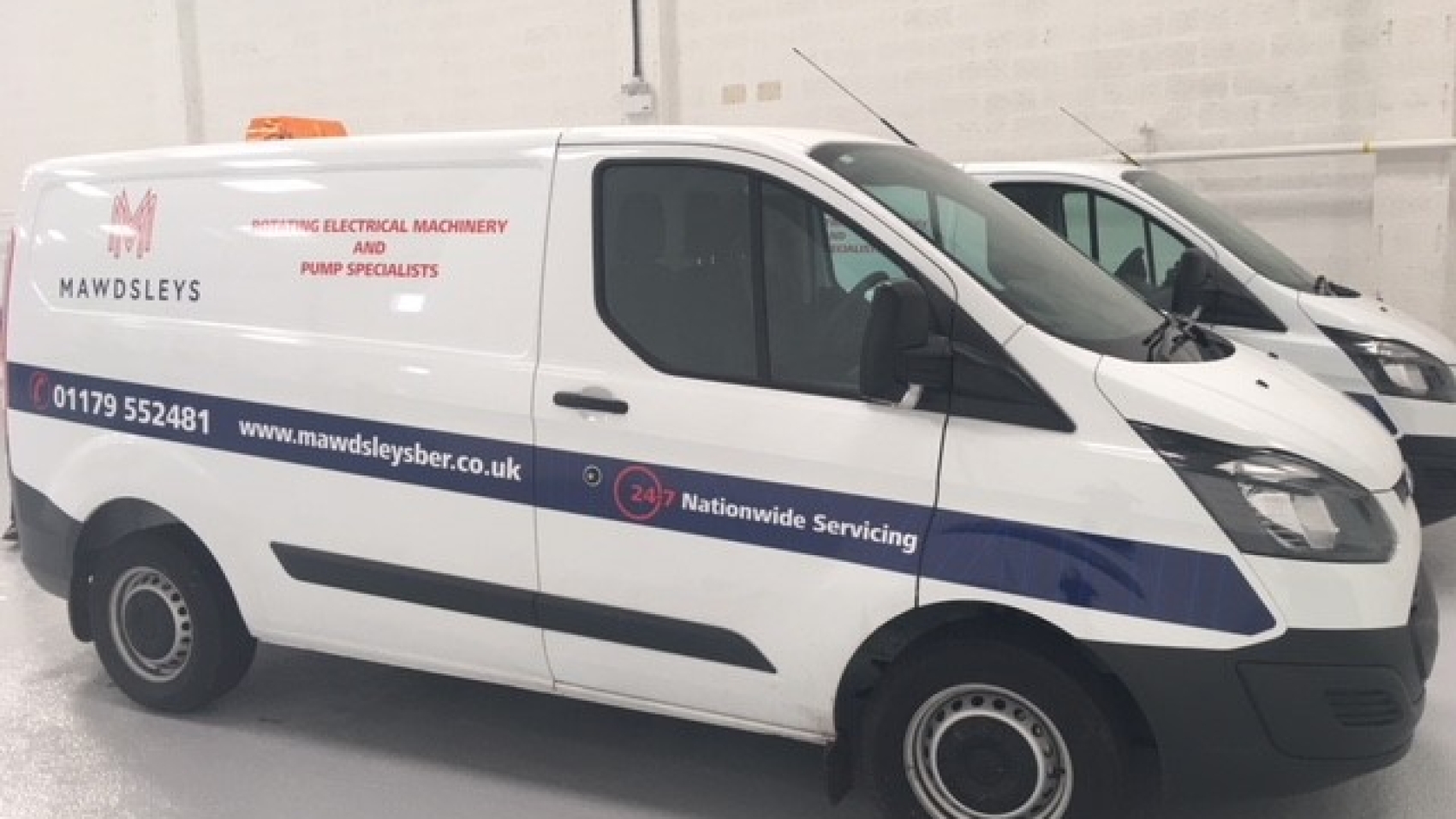
New Vans At Mawdsleys

Have You Seen Our New Vans?

It has been an exciting few months here at Mawdsleys, not only are we in the process of moving into a bigger, more efficient location, we have also undergone a rebrand.

Our new logo was designed to reflect the Mawdsleys values of innovation and precision engineering alongside a continued commitment to deliver the best service to our customers.

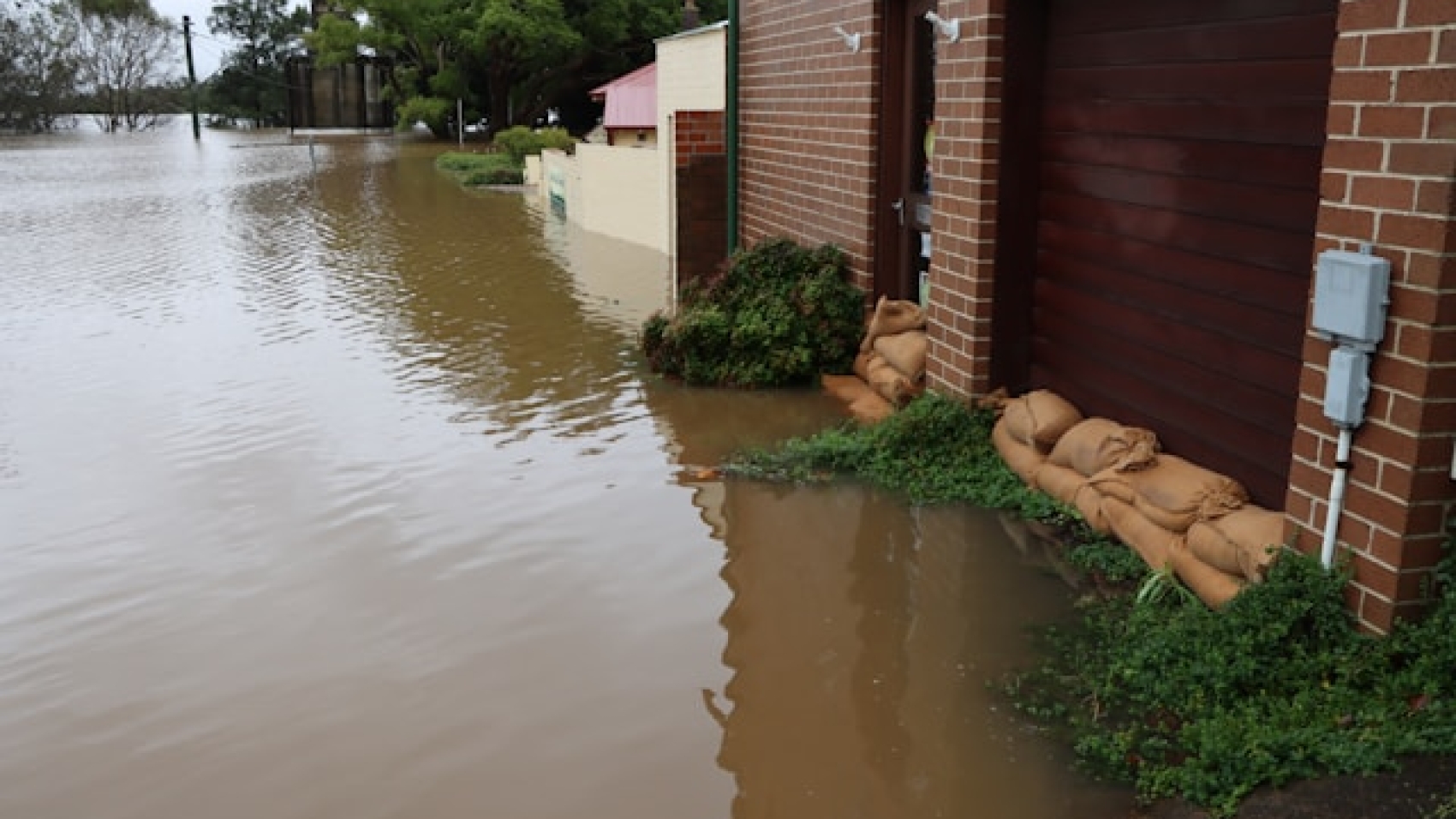
A photo showcasing a flooded area and sandbags blocking an area

4 Step Flood Contingency Plan For Home And Business

The first named storm of the season has hit the UK. Storm Aileen has already done extensive damage to homes and businesses throughout northern parts of the UK, with public transport services affected and thousands left without power.

Whilst flooding is not uncommon in the UK, homes and businesses are rarely properly prepared for flooding when these storms hit. To ensure that your home or business is prepared for storms and flooding, read our simple 4 step flooding contingency plan.

Mawdsleys Pumps Services logo

Mawdsleys BER Ltd – New Location and Rebrand 2017

Mawdsleys – New Location and a Rebrand

At Mawdsleys we pride ourselves on putting our customers first.  We are committed to always delivering the best possible solution and service to them.

Since we opened for business the loyal support of our customers has helped us establish our business firmly as a British manufacturer with specialist precision engineering skills that design, manufacture and service rotating electrical machinery.

As we have grown as a business it has impacted on our working space in Bristol which we have now outgrown.  We have spent the last number of months searching for an ideal location – one that gives us the opportunity to extend our workshop area and give us the facilities we need in a manufacturing plant to continue to serve our customers well. We are delighted that we have now found it and will continue with our presence in a central Bristol location.

Our business, including website, email and telephones will be fully operational during the moving process and you will not experience any changes or delays in service, production or delivery during that time.

We have another exciting change to announce.   As our valued customer you are familiar with Mawdsleys BER Ltd logo which has been with us throughout the years.  Maintaining our name has always been important to us and we are proud to announce that to sit alongside our name we have changed our logo to reflect Mawdsleys values of engineering innovation and precision, service excellence and relationships. We hope you like it as much as we do.

We will continue to keep you updated on our move date and address and look forward to welcoming you to our new location early in 2018.

Yours sincerely,

Peter Woodward

Pete Woodward

Managing Director

A photo of a woman riding a horse

Dust Suppression For Equestrian Centres and Riding Schools

Horse riding arenas, equestrian centres and ménages both indoor and outdoor require water to suppress dust when in use. Airborne dust in the arena can cause both health and performance hazards to horse and rider. Because of this, dust suppression is an absolute priority for equestrian centre owners.

Continue reading If you’re struggling with excessive dust in your equestrian centre, riding school or ménage.

Am image of a quarrying facility

Dust Suppression Methods For Quarries and Mining Sites

Controlling dust on quarries and mining sites is becoming an increasingly important consideration for operators. As well as having various health and safety legislations to adhere to for the safety of their workers and nearby residents. Excessive airborne dust can damage machinery on site, leading to expensive repairs and in turn loss of revenue through having to cease work.

Dust is created from various processes on quarry and mining sites whilst the materials are being sourced, crushed, screened, transported and stored – so it’s important to have a solution that can be implemented easily at any stage of material processing.

If you’re struggling with excessive dust on your quarry or mining site – read the post below.

An image of our long reach irrigator

The Effects of Poor Irrigation on Sports Fields

With summer just around the corner, there isn’t a better time to consider the health of your pitch in time for next season or to use for training. Dry, hard and withered pitches, playing fields and courses can cause serious problems for the players, groundskeepers and managers of the club – and be a constant source of embarrassment.

Take a look at the effects poor irrigation can have on your sports field, and why you should be taking the health of your pitch seriously before summer arrives.

Irrigation for Football Pitches

The football season is close to an end, and pitches have taken a good beating across this wet season. Pitches are now likely to be used for training in preparation for next season, so it’s important they stay healthy throughout the training season and are in their best condition for summer.

Poor irrigation can have the following impacts on pitches, the football team and the groundsman:

  • Grass takes longer to recover following a game – this can lead to dry and cracked pitches, or cause them to waterlog easily if it rains.
  • A poor playing service means the ball will bobble along the floor, making for a poor game.
  • If the pitch is poor quality, the referee can choose to call off the game causing teams to forfeit.
  • Tough pitches that aren’t irrigated properly have a low level of impact absorbency, meaning players are more likely to get injured if they fall over or are tackled.
  • If a pitch remains in bad condition and is not treated, re-seeding the pitch is an expensive and very time consuming process.

Irrigation for Rugby Pitches

Being a contact sport, it’s crucial for groundsman to ensure that the pitch is in its best condition to ensure the best playing surface. Poor irrigation of a rugby pitch has similar impacts to that of a football pitch; however, due to the nature of the sport, injuries to players being tackled onto a poorly irrigated pitch can be a lot more serious.

The Irrigation Solution: In an ideal world, a permanent underground pumping system would be the perfect irrigation solution; however, these systems are extremely expensive and often only used by professional clubs. A portable LRI system can do the job up to the same standard – for just a fraction of the cost. You can read our Taunton Town FC LRI success story to find out more.

Irrigation for Golf Courses and Bowling Greens

Bowls and golf are both summer time sports; therefore it is important that the green is in perfect condition in time for when the games begin. Irrigation can ensure an even spread of healthy grass and good quality surface for players that allows the balls to skim rather than stop.

The Irrigation Solution: Some golf courses do have pop up sprinklers installed, however, these are very expensive to install and maintain. A portable irrigation system allows groundsmen to choose the concentration of water to allow grass to grow evenly without water logging the green.

Choose the Right Irrigation with Mawdsleys Pumps

Whatever kind of sports pitch or playing field you are responsible for, we’d love to help you keep it in its best condition. To find out more about any of our irrigation systems, or to discuss creating a bespoke system to your requirements, give one of our expert team a call on 0117 954 8030.

An image of a sewage pump

Winter Sewage Pump Maintenance – Avoid Unexpected Breakdown This Winter

A sewage pump failure is never convenient — but it’s almost always preventable. Whether you manage a commercial premises, a residential property or a pumping station, planned sewage pump maintenance is the most reliable way to avoid unexpected breakdowns, protect your equipment and control costs.

This guide explains what good sewage pump maintenance involves, the most common faults that a service visit will catch early, and what to do if your pump develops a problem that needs repair. We also cover why winter is the most critical time to have your system checked — and why Mawdsleys is one of the few pump specialists that keeps operating through the Christmas and New Year period.

Need help now? Call 0117 954 8030 — we operate 24/7, 365 days a year.

What Does Sewage Pump Maintenance Visit Include?

A thorough sewage pump maintenance visit goes well beyond a visual once-over. Our engineers carry out a structured inspection that covers every component likely to cause a failure, including:

  • Float switch and level controls — the most common cause of pump faults. Tested for correct operation and adjusted or replaced as needed.
  • Non-return valve condition — a failed valve causes sewage to recirculate within the sump, increasing motor load and wear.
  • Motor insulation and current draw — an early indicator of winding deterioration before full motor failure occurs.
  • Pipework and chamber integrity — checking for cracks, perished seals and corrosion that could lead to leaks.
  • Wet well cleaning and de-ragging — removing rag, debris and silt buildup that impairs pump performance.
  • Control panel and alarm testing — verifying that high-level alarms and auto-start functions are operating correctly.
  • Written condition report — a record of findings, any work carried out, and recommendations for the next visit.

Each visit gives you a clear picture of your pump’s condition and flags any developing issues before they become expensive problems.

Common Sewage Pump Problems That Maintenance Prevents

The following faults are among the most frequent reasons we’re called out for emergency sewage pump repair. In most cases, a scheduled maintenance visit would have identified the warning signs first:

Pump not starting. Caused by float faults, a jammed impeller, blocked electrics or motor failure. Our engineers test starting performance on every visit and can spot a weakening motor before it fails completely.

Pump running continuously Usually, a float switch is stuck in the on position, or a blockage prevents the sump level from dropping. Left unattended, the pump runs dry and destroys its seals — turning a simple adjustment into a full sewage pump repair.

Toilets are backing up. Often a downstream blockage or a pump is already working at reduced capacity. Routine maintenance checks flow rates and identifies partial blockages before they cause a full backup.

Leaking pipework or failed non-return valves. Seal and valve degradation is gradual and easy to catch on a maintenance visit. Once a seal fails and sewage begins to leak, it becomes an urgent emergency with potential health and compliance implications.

High-level alarm activating indicates the pump is failing to keep pace with inflow. Maintenance visits test alarm function and verify the pump is handling its design load — preventing the conditions that trigger high-level events.

Bad odours caused by perished chamber lid seals or vent pipe damage. Identified and resolved during a routine service visit before odours became a complaint from building users.

For a deeper look at each of these faults and what causes them, see our guide: 8 Common Problems with Sewage Pumps and How to Fix Them.

Sewage Treatment Plants Undergoing Maintenance

Why Winter Makes Sewage Pump Servicing More Important?

Cold weather puts additional stress on sewage pump systems in several ways:

  • Freezing temperatures can affect above-ground pipework, vent pipes and any exposed electrical components, particularly on external or partially exposed installations.
  • Increased usage over the Christmas and New Year period — more people in buildings, hospitality venues running at full capacity — means pumps are working harder precisely when an engineer is hardest to reach.
  • Holiday shutdowns mean that if a fault develops over Christmas, the impact can go undetected for days, turning a minor fault into significant damage or a sewage overflow.

Arranging a pre-winter sewage pump maintenance visit — ideally in October or November — ensures your system is in the best possible condition before peak demand and cold snaps arrive.

Mawdsleys is one of the few pump specialists that continues operating throughout Christmas and the New Year. Our engineers are available for emergency call-out 24/7, including bank holidays, so if something does go wrong over the festive period, you’re not left waiting.

The Benefits of a Planned Sewage Pump Servicing Contract

For commercial and industrial sites where sewage pumps are business-critical, a servicing contract offers more than just scheduled visits. Our contract clients benefit from:

  • Priority response times when breakdowns do occur, ahead of non-contract call-outs
  • Discounted repair rates on parts and labour for any work arising from a service visit
  • Full service history maintained against each asset — useful for compliance, insurance and handover purposes
  • Annual condition reporting to support planned budgeting and capital replacement planning
  • A direct line to a named engineer who knows your site and its equipment

Contracts are tailored to your site and budget — whether you need one visit a year for a single residential pump or quarterly visits across a multi-site estate.

Find out more about our sewage pump servicing contracts →

Why Choose Mawdsleys for Sewage Pump Maintenance and Repair?

  • 30+ years of experience carrying out sewage pump maintenance, repair and servicing across the South West and South Wales
  • In-house engineers — no subcontracting. Our own team carries out every job, which keeps quality consistent and pricing competitive
  • Fully equipped workshop in Bristol for pump refurbishment and overhaul when site repair isn’t possible
  • Confined Space Accredited engineers for work in chambers, wet wells and below-ground installations
  • 24/7 emergency cover, 365 days a year, including Christmas and bank holidays
  • Trusted by councils and large organisations, including Bristol City Council, North Somerset Council and the Wildfowl & Wetlands Trust

A photo of one of our vans in front of our HQ

Book a Sewage Pump Maintenance Visit or Service Review

Whether you need a one-off maintenance visit, emergency sewage pump repair, or want to talk through a servicing contract for your site, our team is ready to help.

Call us on 0117 954 8030 or fill in the contact form below. We’ll discuss your requirements and recommend the right approach for your pump and your budget.