Booster Pump Set

How Much Could a Booster Pump Energy Check Save You?


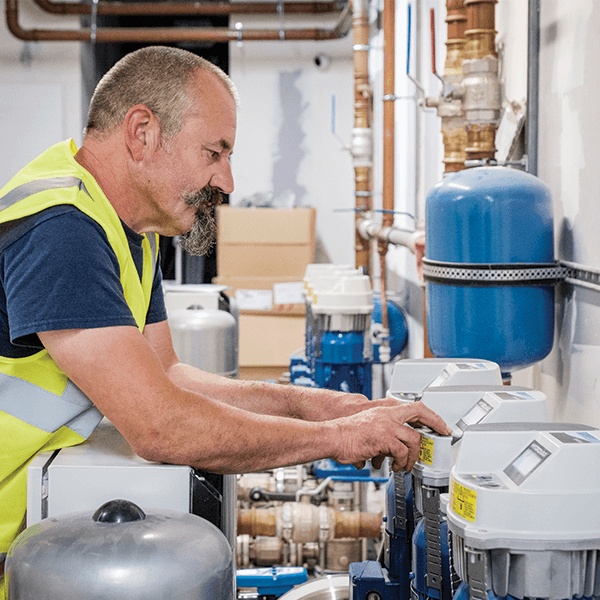
Booster pumps are an effective method of increasing water pressure and ensuring building users can access water of a suitable pressure, regardless of the number of outlets in use or size of the building.

Booster pumps are often used in larger sized buildings with multiple occupants such as flats, apartment blocks, office buildings, hotels, schools and Government buildings where mains pressure alone isn’t enough to meet demands.

Many booster pumps we find in operation are old units with antiquated controls which become less economical and efficient over time. With environmental impact becoming very important and the cost of electricity always rising, it can pay dividends to understand how economical your pump is and take steps to improve it.

Read our blog post to find out more about the considerable savings that can be unearthed through an energy check, the benefits of a modern booster pump and the importance of keeping your booster set professionally maintained.

Booster Set Energy Check Savings

A pump energy check gives you a clear view of your pumps current performance and the associated cost savings that could be made by upgrading your existing booster pumping system. When carrying out an energy check, the following factors are considered:

  • Pump & head flow
  • Motor power data
  • Operating hours per year
  • Age of pump
  • Pump use
  • Operating needs

From this data, the test can ascertain what energy savings could be made with the installation of a new booster set, including how long the payback time would be.

At Mawdsleys Pumps, we regularly carry out energy checks in line with the ISO 14414 Pump Energy Assessment Standards before making system recommendations to clients, often revealing thousands of pounds worth of energy savings that could be made.

In a recent test we carried out, we uncovered potential savings of over £40,000 over a 10 year period at an NHS facility in Bristol, read the full case study here.

The Benefits of a Modern Booster Set

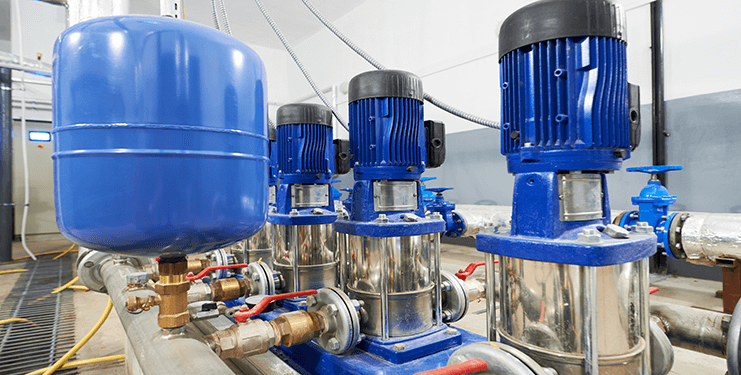
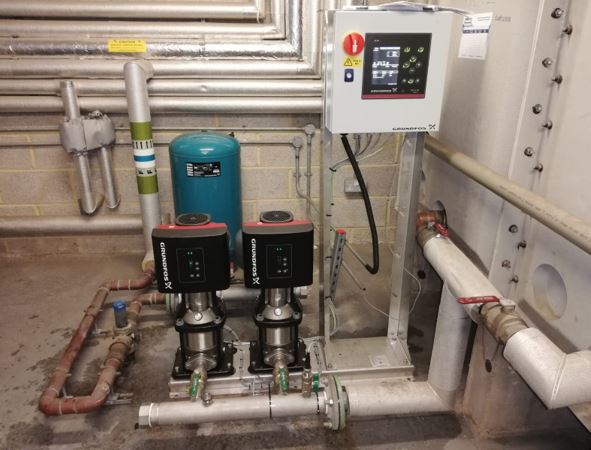
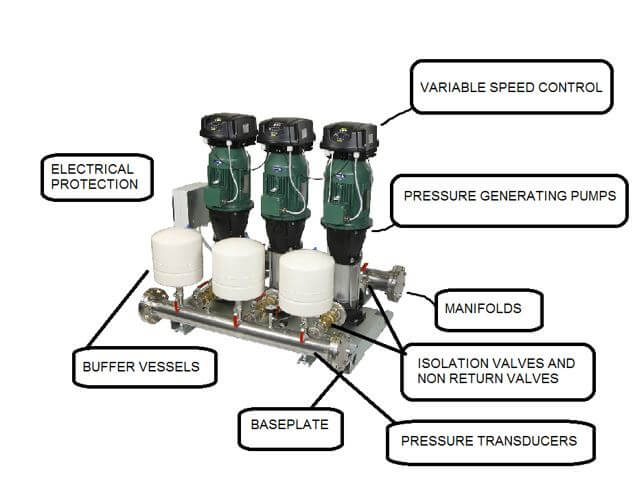
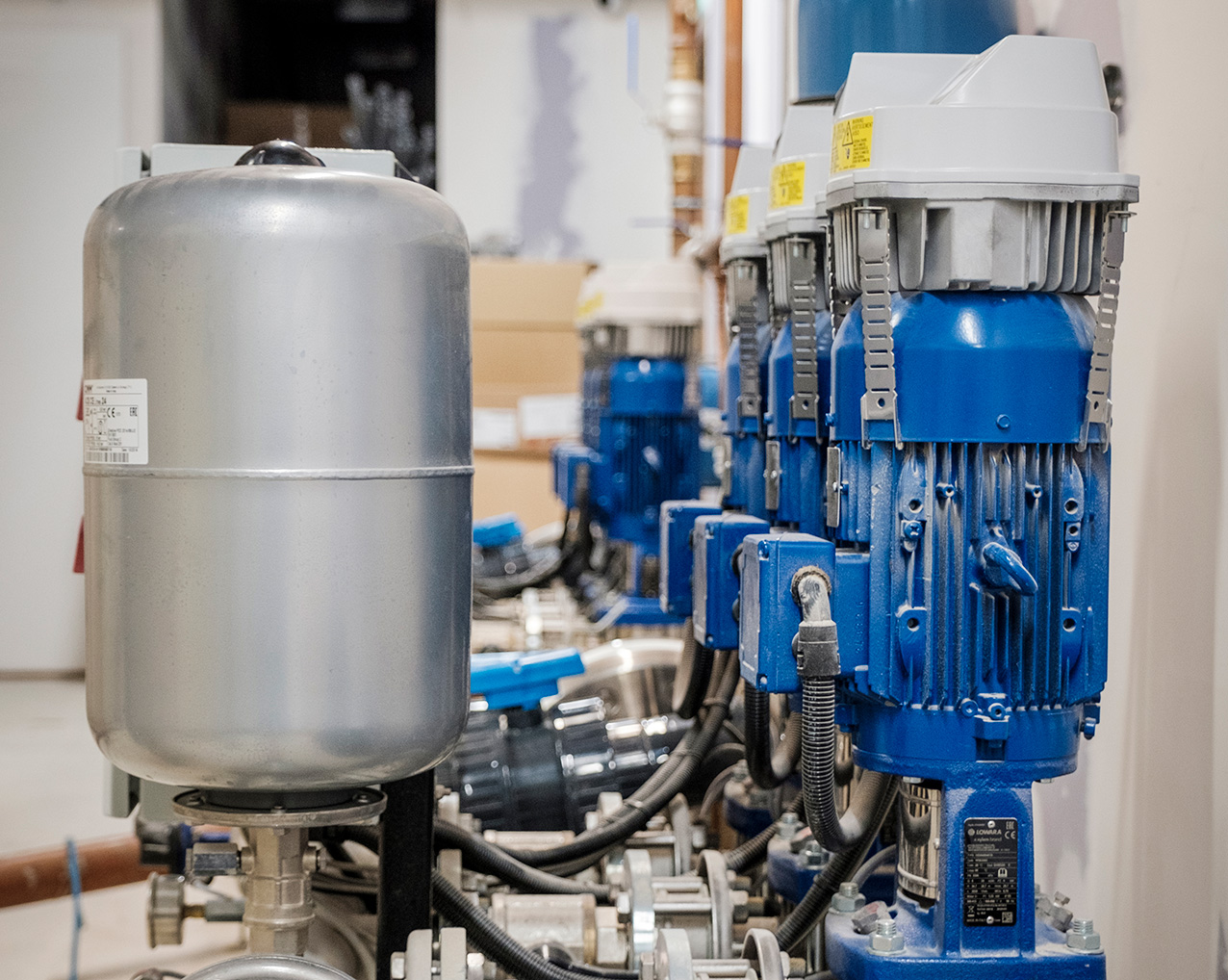
Modern booster sets are made up of several components designed to enable adequate water pressure to any sized building. As technology has improved, so have the number of benefits a booster set offers, the key advantages are:

  • Variable Speed Drives – Modern booster sets are fitted with variable speed drives, these drives have pressure sensors and flow sensors which keep the pressure constant with varying demand, extending the life of the pump and meaning you only pay for what you use.
  • High Efficiency – As technology has improved, booster pumps have become more and efficient, offering adequate pressure on a normal mains water supply.
  • Environmental Benefits – As a result of improved efficiency and variable speed technology, modern booster sets use less energy, reducing the carbon footprint.
  • Duty, Standby and Assist – Modern booster sets are usually compromised of multiple pumps, meaning that there is a backup should the demand exceed the main pump, plus a standby pump should one fail. These are known as ‘duty’, ‘duty – assist’ and ‘standby’ pumps.
  • Lower Running Costs – Equally, improved efficiency and reduced energy use results in lower overall running costs, building owners can expect a booster pump to pay off its installation cost long before the end of its life.

Keeping Your Booster Set Well Maintained

Due to their critical nature, there is never a good time for a booster pump to fail or start to underperform.

In order to keep your booster set running at maximum efficiency, it is recommended that you have your pump serviced by a professional pump engineer.

As well as keeping the pump running at full strength, regular servicing ensures that any developing faults are rectified, reducing the risk of breakdown.

Additionally, there are maintenance checks such as visual inspections that can be carried out every month to complement annual servicing.

To help keep on top of routine maintenance, we have created a free inspection checklist for responsible persons. Click the button below to download your copy.

An image promoting our free booster pump inspection checklist

Booster Pump Installation, Energy Checks & Service Contracts

At Mawdsleys Pumps, we offer an end to end service for the design, installation, repair and ongoing servicing of booster sets; with servicing contracts including regular preventative maintenance to keep your pump running efficiently, which will reduce risk of breakdown.

We also carry out energy checks for booster pumping systems, to highlight and inefficiencies in your system and suggest upgrades which could improve efficiency, reduce energy usage and save on running costs.

For more information about our energy checks, booster pump service or maintenance contracts, give one of our expert team a call today on 0117 954 8030 or fill out a contact form and we will get back to you.

ISO-14001-Colour-Mawdsleys

Mawdsleys Becomes ISO 14001:2015 Certified

We are pleased to announce that as part of our commitment to operating more efficiently and reducing our impact on the environment, we have achieved ISO 14001:2015 certification.

With many businesses and consumers considering their carbon footprint, this certification reflects our ethos of building a more sustainable business for our employees and customers.

Find out more about ISO 14001, the changes we made to reduce our environmental impact and the benefits to our customers and suppliers.

What is ISO 14001?

ISO 14001 is the international standard that specifies the requirements for an environmental management system that organisations can use to enhance their environmental performance.

This certification is relevant to businesses of any size across all industries when looking to reduce their environmental impact.

The certification can help businesses become more efficient, reduce costs and give them a competitive advantage over other businesses in their industry.

In addition to ISO 14001, we are ISO 9001 certified which demonstrates our ability to consistently provide services that fulfil the expectations of customers and meet regulatory requirements.

The Certification Process

To achieve the certification, we were assessed by CfA who evaluated the business in 2 stages, this included our premises and activities taking place on site regarding pump maintenance and service.

Over a 6 month period, we made several enhancements and new additions to the business to ensure we met the requirements of the standard, these included:

  • Building an environmental issues section into our Business Management Systems.
  • Managing our waste streams to ensure that all waste transfer contractors are licenced and that waste transfer notes are received correctly completed for each load.
  • Keeping all fluids on site bunded to prevent accidental leakage to the surrounding environment & water courses.
  • Regularly assessing and safely storing all COSHH materials.
  • Carrying out legionella & asbestos risks assessment for the premises including regular management.
  • Responsibly sourcing all raw materials used by the business.
  • Managing ways of making the building more energy efficient.
  • Analysing energy usage and fuel on an annual basis, making reductions in line with the business plan objective.
  • Installing a large bunded container for use when jet washing dirty motor frames. This wastewater is then pumped into IBC tanks for responsible disposal.

Following these enhancements to our business practices, we were officially assessed over a 2 day period by an external auditor

What Our Certification Means for Customers  

As consumers across the world are becoming more conscious of the environmental impacts of the products they purchase and the services they use, we have had customers ask what we are doing with regard to the environment.

Our certification solidifies our commitment to reducing our carbon footprint and gives customers and suppliers the peace of mind that their supply chain is acting responsibly whilst helping them comply with their own commitments.

As well as making our business more efficient and reducing our impact on the environment, the ISO 14001 certification is already a common pre-requisite in defence contracts and tenders, meaning we are fully prepared to continue fulfilling our services to these customers in the future.

“Our recent certification shows our commitment to our customers, suppliers and the environment, helping us to reduce waste, eliminate efficiencies across the business and ensuring we can meet the expectations of customers.”

 Peter Woodward, Managing Director – Mawdsleys

M&E Services

At Mawdsleys, we maintain several professional accreditations and certifications including ISO 14001 to reassure our customers and remain at the forefront of the sector.

 If you are looking for a fully accredited partner to provide a complete range of services for the manufacture and repair of rotating electrical and pumping equipment, contact us today.

Call 0117 955 2481 or fill out a contact form and one of our team will get back to you.

An image of a booster set

How To Improve Water Pressure

Water pressure is an essential part of any building with a water supply, yet it’s often taken for granted until something goes wrong and the pressure drops. Low water pressure can be caused by a number of factors, such as high demand and can affect every water outlet in the premises, including toilets, showers, taps, pumps, washing machines, and water tanks.

Experiencing low water pressure is extremely frustrating for building users and in commercial and agricultural environments, can result in huge drops in efficiency due to the extra time taken to output water. Read our latest blog post to find out more about the causes of low water pressure and how you can improve your water pressure.

Steps To Improving Your Water Pressure

If you’ve noticed a drop in your water pressure, here are steps you can take to try and increase it once more:

  • Check that the outlet for your water is not clogged up or blocked in any way
  • Check that the water valves for your property are fully open
  • Check for blockages in your water system
  • Check for any leaks in your water system
  • Ensure that your current pumping system meets your requirements
  • Test your appliances at peak times vs quieter times to see if there is a difference in the water pressure you receive
  • Invest in appliances such as power showers which can enable higher output even when overall pressure is lower

If you own the premises, you can take it upon yourself to check these or contact a professional if you do not have the expertise.

However, if you are a building user or rent a space in the building, it is likely that you will need to contact the landlord of the building to investigate further.

An image of a booster set system

Benefits of a Booster Pumping System

If you are still struggling with water pressure, it is likely that you need to consider taking measures to increase the pressure of water to your system, this can be done very effectively with a booster pump.

Booster pumps are installed to increase the water pressure throughout a building and are an effective means of improvement in any type of building.

They can be installed in most properties whether you rely on a typical water supply or get your water from a private supply (such as a borehole or well).

A booster pump is a long term investment that will serve your property for years if properly maintained, download our free booster pump inspection checklist to find out more.

Booster pumps are available to suit any premises, whether it’s fixed speed or a range of multiple pump variable speed sets to meet demands and offer energy saving benefits.

Booster Pump Maintenance: Why It Matters

If you’ve already got a booster pump installed and you’re still experiencing low water pressure, the cause is very often poor or missed maintenance rather than the pump being undersized or unsuitable.

Like any mechanical system, booster pumps need regular attention to keep performing at the level they were designed for. Without it, common faults develop gradually — worn seals, failing sensors, clogged filters, or a control panel that’s no longer calibrated correctly — and pressure drops off long before the pump fails completely.

What’s typically included in a booster pump service:

  • Inspection of pump components — seals, valves, bearings, and the motor — for wear or damage
  • Testing of pressure sensors and control panel settings against the system’s intended operating pressure
  • Checking the break tank, ball valve, and low-level protection are functioning correctly
  • Identifying vibration, noise, or leaks before they develop into a larger fault
  • Confirming the pump is still correctly sized for current building demand

How often should a booster pump be serviced?

Most commercial and residential booster sets benefit from a service at least once a year, though buildings with higher demand — such as hotels, leisure centres, or apartment blocks — may need more frequent visits. A planned maintenance contract takes the guesswork out of this by scheduling visits automatically and giving you priority access if something does go wrong between services.

Regular booster pump maintenance is also one of the most cost-effective ways to avoid a full pump failure, since most of the faults that lead to total breakdown are easy and inexpensive to catch early.

Download our free booster pump maintenance inspection checklist to see what should be checked between professional service visits, or find out more about our maintenance and repair service.

Frequently Asked Questions

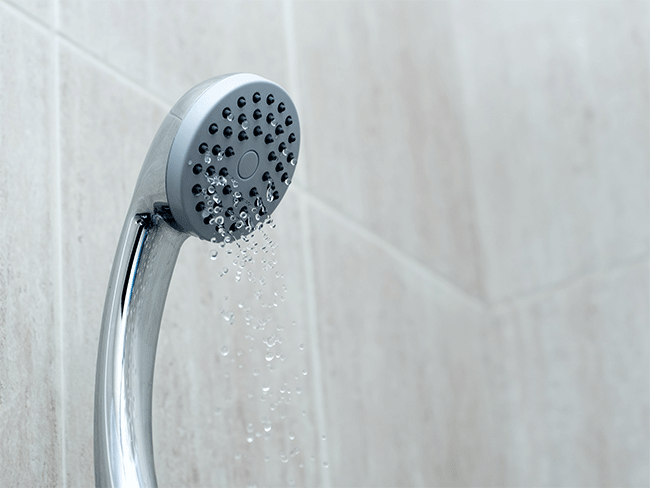
Can changing a shower head improve water pressure?

Yes, in some cases simply changing the shower head can improve the water pressure you get.

Shower heads can also become blocked up with limescale which restricts the amount of water that can be output, so in some cases a simple clean will help improve the water pressure.

Additionally, some showers have water saving heads that intentionally reduce the water pressure to save money.

How to improve water pressure from a well?

If you rely on a well as your water supply, it’s critical that you get adequate pressure from your system given that there is no backup.

A booster pumping system can be used to effectively increase the pressure received from private domestic water sources.

Can I install a booster pump to the mains water pump?

Yes, a booster pump can be installed to the mains water pump.

However, due to water supply regulations, pumps that draw more than 12 litres of water per minute cannot be connected to a supply pipe without permission, therefore, it’s typically a better option to install a separate water tank for your booster pump.

It’s highly recommended that you engage with a booster pump installation company who will be able to recommend the best course of action based on your situation.

What does a booster pump service include?

A typical booster pump service involves a full inspection of the pump’s mechanical components, testing of pressure sensors and control settings, a check of the break tank and safety devices, and an assessment of whether the pump is still correctly sized for current demand. Our engineers will flag any developing issues and explain whether they need immediate attention or can be monitored.

How much does booster pump maintenance cost?

Costs vary depending on the size and complexity of the system, and whether you’re booking a one-off service or an ongoing maintenance contract. A maintenance contract is usually the most cost-effective option for buildings that rely heavily on consistent water pressure, since it includes scheduled visits and priority emergency cover. Call us on 0117 954 8030 for a tailored quote based on your system.

Talk to the Experts

We hope this post has given you some ideas on how to improve the water pressure at your premises, and how regular booster pump maintenance can stop the problem coming back.

If you’re still struggling with water pressure, or want to arrange a booster pump service or maintenance contract, talk to Mawdsleys Pumps today.

We’re experts in booster pumping systems and have installed and maintained units in locations including domestic properties, schools, hotels, and apartments, and regularly work with facilities management companies to keep booster systems performing well.

Call our expert team today on 0117 954 8030 or fill out a contact form and we’ll get back to you.

Get in touch with us so we can improve your water system efficiency and save you money

Why Water Pressure Matters

Low water pressure can create several issues in all environments, whether it’s a domestic premises, commercial office or leisure facility.  The most common complaints about low water pressure include:

  • Showers and taps can be reduced to a trickle of water
  • Toilets may not flush properly
  • Results in reduced efficiency in commercial premises
  • Any activities requiring higher pressure, such as irrigation or high-pressure cleaning, may not be possible
  • Certain modern appliances do not work below specific pressure thresholds
  • Equally, certain pumping equipment requires a specific amount of pressure to work

All of this can contribute to a poor experience for the users of the building, and in a commercial building such as a block of flats, gyms, schools or a hotel, is likely to attract complaints.

What are the Causes of Low Water Pressure?

Water pressure is effectively the force that transports water through your pipes, so lower water pressure means that the water flows at a lower velocity.

There are a number of reasons why your water pressure may have dropped. The most common reasons for low water pressure are:

  • When demand for water is higher, pressure may be impacted
  • Properties that have a shared supply are more likely to experience issues with water pressure
  • In larger buildings such as hotels, offices, or blocks of flats, water outlets at the top of the building tend to have lower pressure
  • In gravity fed systems, your water pressure depends on how high the source of water is above your property
  • Additionally, the distance your property is away from the water source will impact the pressure you get
  • Old or damaged pumping facilities may no longer be able to cope with the demands of the building
  • Pipes restricting the flow of water due to diameter, corrosion, blockages, and leaks can reduce the water pressure
An image of a water tap
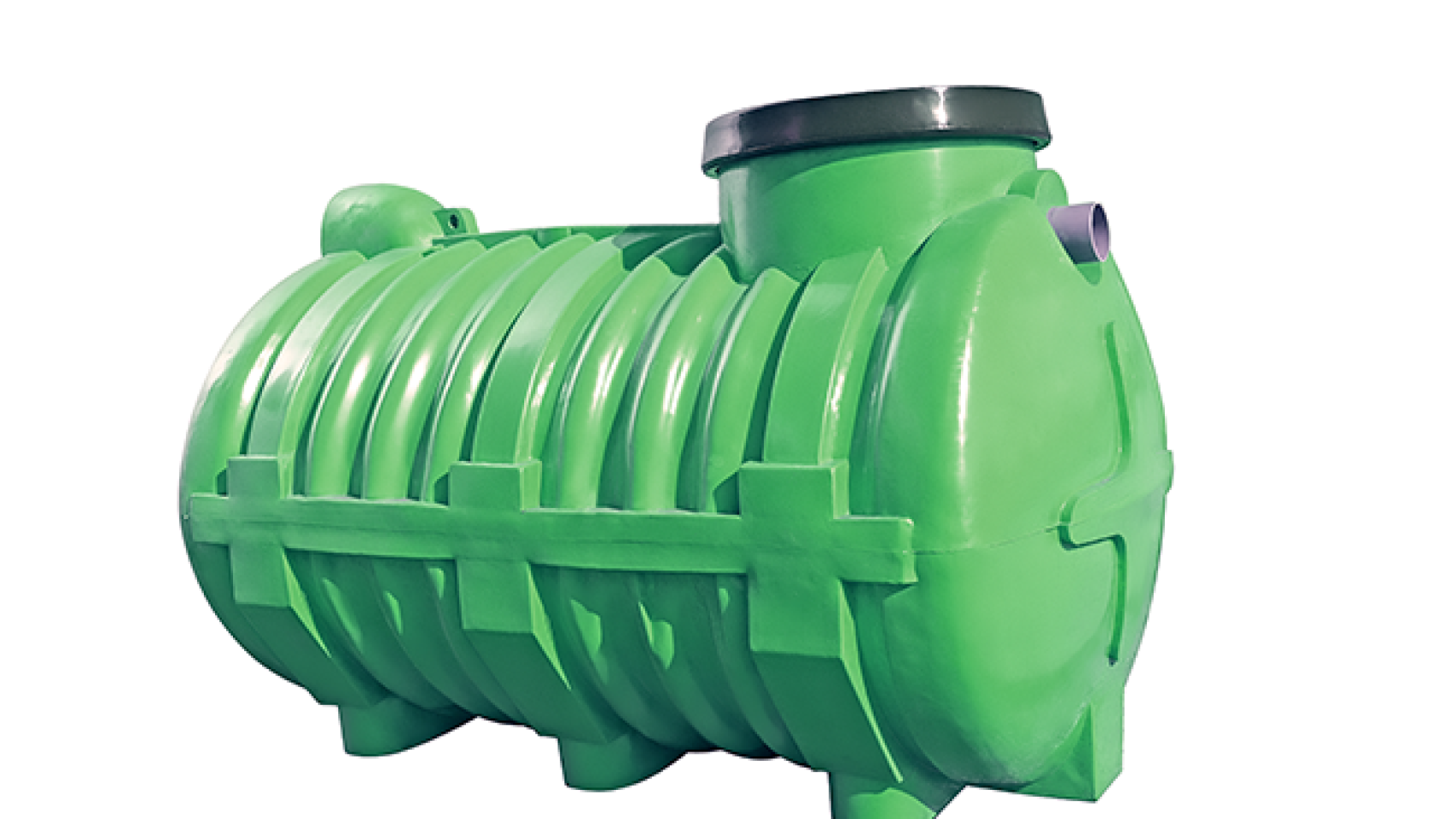
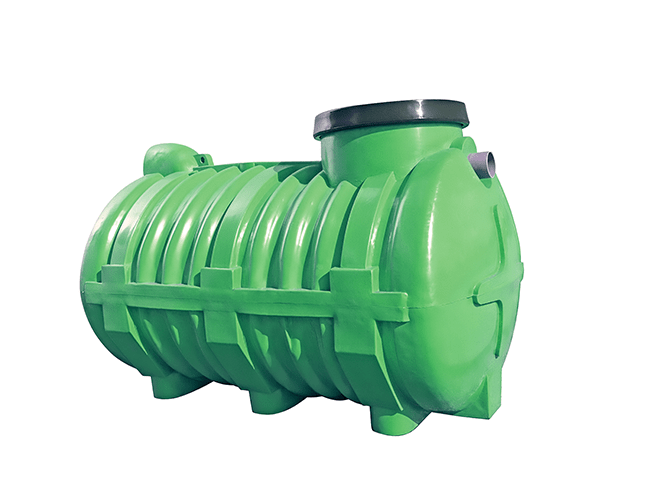
An image of a sewage treatment plant in green

A Buyers Guide to Sewage Treatment Plants

When you can’t connect to mains sewerage infrastructure, a sewage treatment plant is the recommended solution for waste treatment and disposal. With septic tanks and cesspits slowly being phased out due to changing legislation and environmental consideration, many buildings across the UK are opting to have sewage treatment plants installed. If you are thinking about having a sewage treatment plant installed at your commercial or domestic premises, our guide helps you understand what sewage treatment plants do, when they are suitable, how much they cost and what the benefits are.

What Is a Sewage Treatment Plant?

A sewage treatment plant is a below ground vessel that acts as an off-mains drainage solution for those that can’t connect to mains sewage. Unlike cesspits and septic tanks, sewage treatment plants treat incoming wastewater to an acceptable level for discharge, making them more environmentally friendly.

How Do They Work?

Sewage treatment plants are multi-chambered units. First, the wastewater produced from the building through toilets, baths and sinks is deposited in the first chamber where the liquids and solids are separated by gravity. The solids remain in the first chamber but the liquids flow into a biological chamber which is filled with compressed air, this helps to speed up the naturally occurring formation of bacteria. Finally, the treated liquid is moved into the final chamber of the tank. Here the bacteria settles at the bottom of the tank to allow it to be moved back into the first tank whilst the clean water remains at the top of the tank. The water at the top of the final tank can then be safely discharged out to a watercourse or to a ground soakaway field.

When Do You Need One?

Under the UK Building Regulations, if you can connect to the mains sewer then you should do this for the removal of sewage and wastewater. However, if you are unable to connect to the mains sewers due to being in a remote location then you can review options for managing wastewater within your property. It’s important to note that the responsibility for the waste produced lies with the owner of the property, so it’s critical that an appropriate solution is installed and properly managed if you cannot access the mains.

How Much Do They Cost?

As sewage treatment plants are far superior to cesspits and septic tanks in how they break down waste to a safe level, they do have a higher upfront cost and there are also additional costs to consider. Once installed, you will need to budget for an annual service of the unit as well as emptying costs. In order to release sewage from the plant, you must first pay a small fee to get Discharge Consent. Other considerations include the electricity costs to run the unit (which are very low due to the efficiency) and any repair and callout costs in the event of a pump breakdown. To find out more, take a look at our blog posts which details all of the costs involved with installing and operating a sewage treatment plant.

What Are the Benefits of Sewage Treatment Plants?

A sewage treatment plant offers several benefits over other methods of sewage treatment such as septic tanks and cesspits. The key benefits include:
  • Treats wastewater to a safe level meaning that it can legally and safely be discharged.
  • Sewage treatment plants are modern technology which is reliable and extremely efficient.
  • Low running costs which offset the higher cost of installation.
  • Installation is simple and easy, though it should be done by a professional installer.
  • Whilst septic tanks and cesspits can reduce the resale value of your property, having a sewage treatment plant can make it worth more.
  • The system is compact and does not take up much room. Being underground, it will not impose on your outdoor space.
  • Alternatives such as septic and cesspits pose a number of potential dangers including gases, flooding and pollution. Sewage treatment plants are far safer in comparison.

Talk to the Experts

At Mawdsleys Pumps, our expert team has vast experience in the design, installation, ongoing maintenance and emergency repair of septic tanks and sewage treatment plants. If you want to find out more about sewage treatment plants, or if you are having a problem with your unit – we can help. For more information, call us now 0117 954 8030 or fill out a contact form and a member of our pumps team will get back to you.
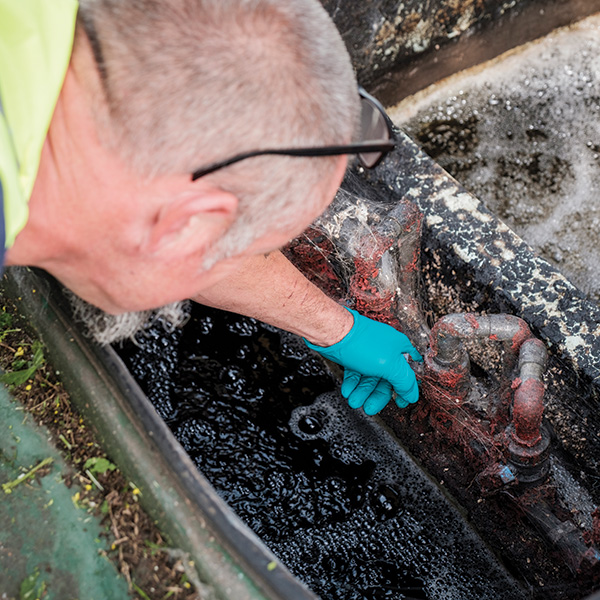
An engineer inspecting a sewage treatment plant

How Much Does a Sewage Treatment Plant Cost?

Sewage treatment plants are used in commercial and domestic properties when access to mains drainage is not possible. They treat water to make it suitable to be discharged into a drainage field or watercourse.

Cesspits and septic tanks have a number of drawbacks, including potentially dangerous gases being released, pollution and complications when trying to sell the property; most home and business owners are making the switch to sewage treatment plants.

These plants are more expensive than a cesspit or septic tank, but they provide superior performance and mean that you can safely discharge water from the plant once treated.

In this blog post, we will examine the costs of buying and running a sewage treatment plant at your home or commercial premises.

Benefits of Sewage Treatment Plants

A sewage treatment plant is robust and extremely effective, offering many benefits over other methods of treatment and disposal:

  • Sewage in a plant is treated to a safe level
  • Does not harm the environment
  • Reliable and modern solution
  • Cost-effective over time
  • Compact system
  • Improve the resale value of premises
  • Safer and poses a lower risk to health
  • Simple and easy installation

Above all, these plants are a solution for the future. As environmental agencies impose stricter rules on the process of treating and disposing of wastewater, a proper biological wastewater treatment system ensures these standards are met.

An image of a sewage treatment plant in green

Cost To Install and Supply

The cost to install a sewage treatment plant will vary depending on a number of factors such as the size of the tank, the condition of the site and any additional extras you may wish to have installed.

In domestic premises, prices start from £2,000, subject to the size of the sewage treatment plant. The price of installation will vary, and a site survey is generally required for an accurate figure.

Additionally, the price will be different if you are replacing an old system or a different type of sewage disposal unit or if you are installing one from scratch.

At Mawdsleys Pump Services, we design sewage treatment plant systems to meet the exact needs of our clients, meaning you don’t pay more than you need to for a plant that meets your needs.

An engineer inspecting a sewage treatment plant

Additional Costs To Consider

As well as the initial cost to purchase and have the plant installed, there are other additional costs after installation that should be considered:

  • Annual Service – An annual service is essential to the ongoing performance of your plant and reduces the risk of breakdown. An annual service starts from just £350 in most cases, subject to equipment and location.
  • Emptying – Once the sewage inside your plant is treated, it will need to be discharged. When it is emptied, there are costs involved, including contractor fees and tanker charges.
  • Discharge Consent – In order to release sewage from the plant, you must first apply for discharge consent and will incur a fee for doing so. At Mawdsleys, we can help with discharge water testing and can also acquire discharge consent for your unit.
  • Repairs – In the event of damage to your plant, fast and professional repair is critical to ensure that you can use the facilities in your property once more. At Mawdsleys Pumps Services, we offer a 24/7 emergency pump breakdown service.
  • Power Costs – As sewage treatment plants require a power source, you will incur a cost to run the unit. However, modern units are extremely efficient and use a small amount of power to run.

Talk to the Experts

Do you want to find out more about the cost of a sewage treatment plant at your premises? Whether you have a plant that needs upgrading, are currently relying on a septic tank/cesspit, or do not have any sewage treatment method currently installed, we can help.

Mawdsleys Pump Services takes your bespoke requirements and budgets into account and designs a system that meets all of your waste disposal needs.

Once the system is installed, we can manage all the aftercare, giving you the peace of mind when dealing with a single contractor for everything related to your plant.

For more information, give one of our expert team a call on 0117 975 87030 or fill out our contact form below, and we will get back to you.

An image of booster sets

Mawdsleys Engineers Complete Water Hygiene Training Courses

We are pleased to announce that Mawdsleys Pumps Services engineers have successfully undertaken training courses as part of our ongoing commitment to investment in water hygiene services.

The courses covered legionella risk assessment of commercial and cold water systems, legionella bacteria in hot and cold water systems, water hygiene and the 18th Edition Wiring Regulations.

Find out more about the qualifications and how they benefit our customers in our latest blog post.

An image of booster set

Controlling Noise in Booster Pumping Systems

If you’re a facilities manager, public building owner or a tenant living within an apartment or block of flats; you will understand the vital role an efficient booster pumping system plays – providing water of sufficient pressure to every water point within the building.

However, one of the main reasons we are called out to attend booster pumping systems is due to noise coming from the system, attracting complaints from residents who may have been woken in the early hours of the morning by the pump.

In our latest blog post, we’ll cover off reasons why booster pumps make noise, how you can control it and essential regular maintenance checks you can carry out to ensure your pumping system runs efficiently without generating excessive noise.

Why Do Booster Pumping Systems Make Noise?

The key reasons booster pumps make noise are:

  • Higher water demand than the pump can facilitate.
  • Pump positioned incorrectly.
  • Worn components such as bearings.
  • Old or unmaintained pump.
  • Excessive vibration from the pump.
  • Excessive vibration from pipework within the building.
An image of an engineer programming a booster set

How Can I Stop My Booster Pumping System Making Noise?

With a few controls and proper maintenance, noise from booster pumps can be adequately controlled without impacting on the performance of the system:

Use the Right Pump for the job

Using the right tool for the job is key to achieving any task, and it’s the same with your pumping system. In older buildings, we often find that older and inefficient systems are being used to boost water pressure.

Not only does this mean lower efficiency and higher bills, but during times when everyone in the facility is using water, such as the morning shower, all pumps in the booster set are needed to provide adequate water, creating excessive noise.

In an efficient system that’s tailored to building requirements, the whole bank of boosters would never need to run simultaneously to supply the amount of water required.

Position the Pump Correctly

Following the selection of the most suitable pump for the job, the location of the pump is essential for achieving zero sound disruption for building users. In most cases, we recommend that the pump be installed in an enclosed space such as a soundproofed control room.

If your pump is already set in place and relocation would be impractical and expensive, it is still possible to erect a control room or sound barrier around the pump to reduce noise.

Note that regardless of your pump positioning, if you are using an inadequate system, complete cancellation of noise will be difficult to achieve.

A photo of an anti-vibration mount


Use Vibration Isolators

One of the most common causes of noise from booster pumps is vibrations; these vibrations generally come from the pipes or the pumping system itself vibrating against the structure of the building.

Using vibration isolators is a cost-effective way of reducing noise from your pump – the most effective method will depend on the level of vibrations your system is producing:

Low Level of Vibration – If your pumping system is producing a low level of noise and vibration, a vibration mat is a simple and cost-effective method of control. This is essentially a thick mat or pad on which the pump is placed to prevent vibrations from being carried up the building.

Mid Level Vibration – If your pumping system is producing a medium level of noise and vibration, vibration springs or mounts can be fitted, which absorb the vibrations coming from the pump.

High Level of Vibration – If your pump is producing a high level of vibrations, an inertia base can be constructed – this is a robust measure that will absorb the maximum amount of vibration.

Vibrations Coming from Pipework – If you find that the vibrations are coming from your pipes as opposed to your pump – fitting vibration isolators such as springs to pipework will prevent them from vibrating against the building.

If you find your pump is vibrating excessively or the vibrations are getting worse over time, call a specialist to come and inspect – it could be that vital components within your pump have become damaged.

Ensure Pump is Properly Maintained

As pumping systems age, vital components such as bearings wear down – creating unwanted noise. It is essential that these components are regularly inspected and replaced as required to prevent noise and further damage to the system.

Putting a proper pump maintenance plan in place is the most effective and cost efficient way of controlling noise and preventing failure within your system.

Essential Maintenance Checklist for Booster Pumping Systems

If you’re responsible for a booster pumping system, regular checks are the most effective way to catch noise-causing faults before they develop into something more serious — or before a full pressure pump failure.

What you can check yourself, weekly

A basic in-house visual inspection should cover:

  • Check all valves for free travel
  • Check water and air pressure gauges
  • Test the alarm
  • Inspect bearings and lubricate as required
  • Check for any damage to the pump or its main components
  • Note any unusual noises or “struggling” from the system during start-up
  • Note any excessive vibration or unusual noise from the pump
  • Note the temperature within the plant room

To help keep on top of routine checks, download our free booster pump maintenance inspection checklist.

What a professional booster pump service includes

Weekly visual checks are useful, but they’re not a substitute for a full professional service. A booster pump service typically goes further than an in-house inspection and includes:

  • A detailed mechanical inspection of pumps, bearings, seals, and valves
  • Testing and calibration of pressure sensors and control panel settings
  • Identifying early signs of wear that a visual check alone wouldn’t catch
  • Servicing or replacing worn components such as bearings before they fail
  • A written report confirming the system’s condition and any recommended work

Most commercial booster pumping systems should have a professional service at least once a year, with more frequent visits recommended for buildings with higher demand, such as apartment blocks, hotels, or leisure centres. A planned maintenance contract takes care of this automatically and gives you priority access to support if a fault does develop between visits.

Find out more about our booster pump maintenance and service plans.

Ensure Pump is Properly Maintained

As pumping systems age, vital components such as bearings wear down – creating unwanted noise. It is essential that these components are regularly inspected and replaced as required to prevent noise and further damage to the system.

Putting a proper pump maintenance plan in place is the most effective and cost efficient way of controlling noise and preventing failure within your system.

Nationwide Booster Pump Installation, Repair and Maintenance

At Mawdsleys Pumps, we provide an all-encompassing service for the design, installation, ongoing maintenance, and emergency repair of booster pumping systems. We can also help resolve booster systems that are creating excessive noise, whether the cause is a maintenance issue, an undersized pump, or poor positioning.

Whether you’re considering a new booster pumping installation, need a one-off service, or want to set up an ongoing maintenance plan, we can help. Call us today on 0117 954 8030 or fill out the form below and one of our team will get back to you.

Booster Pump Maintenance and Service FAQs

Most commercial booster pumping systems benefit from a professional service at least once a year. Buildings with higher water demand, such as hotels, apartment blocks, or leisure centres, may need more frequent visits. Weekly in-house visual checks should be carried out in addition to, not instead of, a professional service.

In-house checks are visual — looking for obvious damage, noise, vibration, or pressure issues. A professional service goes further, including hands-on inspection of internal components, calibration of sensors and controls, and replacement of worn parts before they cause a failure. The two work together: regular in-house checks catch obvious problems early, while a professional service catches the issues you can’t see.

Yes — it’s one of the most common causes. As components like bearings wear down without being serviced, they generate noise that gets progressively worse. A proper maintenance plan is usually the most cost-effective way to control noise and prevent the fault from becoming a full pump failure.

This depends on the size and complexity of your system and whether you’re booking a one-off visit or an ongoing maintenance contract. A maintenance contract is usually more cost-effective for buildings that depend on consistent water pressure, since it includes scheduled visits and priority support. Call us on 0117 954 8030 for a tailored quote.

Booster Pump Set

How Working from Home Could Be Impacting Your Pumps


One of the biggest impacts on people’s daily routines because of COVID-19 is the increased amount of time they are spending at home, with many continuing to work remotely where they can to adhere to lockdown rules.

Figures from the Office for National Statistics reveal that in April 2020, when the first lockdown was announced, 46.6% of Britain’s workforce did some work at home.

The shift to remote working has posed many challenges, with businesses and staff needing to adapt quickly to ensure staff can work efficiently from home whilst retaining a work/life balance.

A victim of remote working that has perhaps been overlooked is pumps. These systems that we rely on every day keep water pressure high and facilities such as toilets working properly, but with increased usage; these essential systems can run less efficiently and are at a higher risk of failure.

Find out more about the types of pumps that have been impacted by working from home and how building owners can ensure users always get a high level of performance from their pumps in our latest blog post.

An image of a golf course in frost

Golf Course Pumping Systems – Tips for a Successful Winter


As winter starts to bite, golf courses across the UK will be making preparations for the challenges that the cold weather brings including frost, snow and stressed grass.

Clubs and groundsmen are generally well prepared for the challenges that winter brings, with many being able to continue serving golfers for the majority of the cold season.

However, pumping systems found on golf courses such as irrigation, boreholes, booster sets, multistage pumps and sewage pumps are often overlooked – with a lack of expertise available on site to complete vital maintenance and prevent potential failure when the cold hits.

In our latest blog post, we run through essential steps clubs and groundskeepers should be taking to ensure they can continue to operate throughout the winter months or reduce the risk of damage to pumps during winter closure.

An image of a submersible pump

Top 5 Things You Can Do To Fix Your Submersible Pump

There’s nothing worse than a submersible pump failing on you. If it’s a submersible sewage pump, the first sign is often the electrics tripping on the control panel, or water backing up when you flush the toilet and not subsiding. In the worst cases, sewage can start overflowing from the manhole cover.

If it’s a sump pump, you might notice the electrics have tripped and the water level in the sump is rising. Where this is groundwater or flood water entering a basement, levels can rise quickly and cause serious property damage — which is why emergency sump pump repair is always treated as urgent.

The same general troubleshooting steps apply if you’re dealing with a submersible water pump that’s stopped delivering supply, though some of the specific checks below are written with sewage and sump pumps in mind.

Before calling for a submersible pump repair, here are five things worth checking yourself.

⚠️ A note on safety: Submersible pumps are electrical equipment, often installed in confined spaces, sumps or manholes. If you’re in any doubt about your own safety — electrical, working at depth, or exposure to sewage — stop and call a professional. Some of the steps below should only be attempted if you’re confident and the size/weight of the pump allows.

1. Always isolate the electrical supply to the pump

If you are in any doubt, please phone a qualified Electrician for assistance.

2. Make sure the pump hasn’t tripped

Have a look at your control panel or fuse box to see if the supply to the pump has tripped. If it has, consider the following:

  • Has there been a power cut? If yes, reset the trip switch.
  • Has it been raining heavily? If yes, this puts the pump under increased load — it will need removing and checking rather than simply reset.

3. Is the Sump full of fibrous material and/or debris?

If yes – This could block impellor, causing the electrical supply to trip – the pump will need a visual inspection for blockages.

4. Is the equipment old and unmaintained?

If yes – Pump and associated equipment will need to be checked.

Only consider the following if the size and weight of the pump allows:­

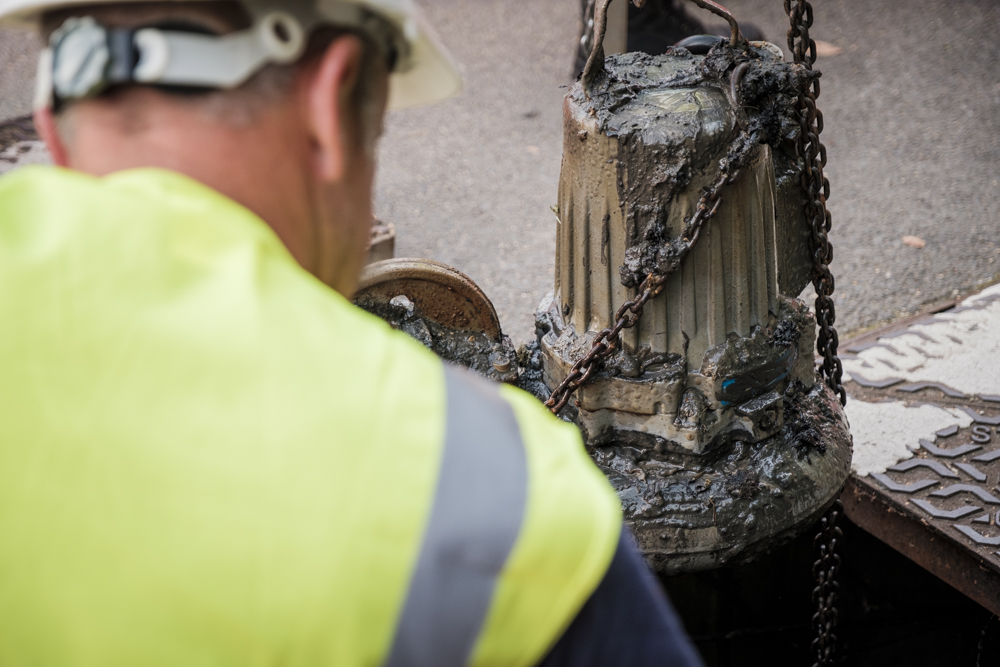
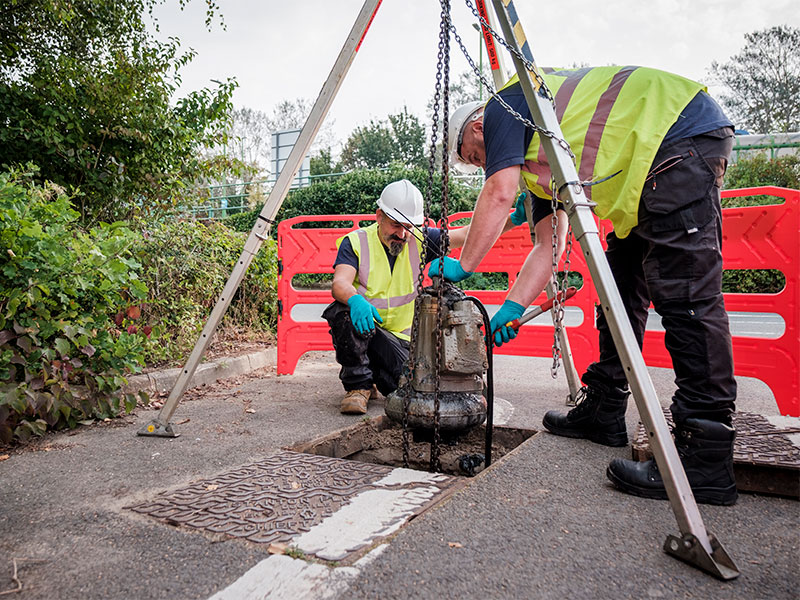
  • Remove sump cover
  • How is the pump mounted? Free standing on guide rail system? Only consider removing pump from sump if it is a free-standing system.
  • Locate lifting chain and slowly raise pump from sump?
  • Visually inspect for damage or blockages.
  • Remove any visible material from impellor and outlet.
  • Lower pump back into the sump, re­set electrical supply, and test for free operation of equipment.

This is also a good moment to consider whether the pump is overdue a service — regular submersible pump maintenance catches wear like this before it causes a failure. Find out more about our maintenance contracts →

5. Check the level control floats are operational

  • Can floats be attached to the pump or wired in separately?
  • Is the pump running continuously or is it not running at all? Either way, lift float or pump and float from sump, clean off and give a quick shake to re­activate.
  • If this does not work, the floats appear to have failed and will require replacement.
  • Check floats are not stuck on pipework or debris, free up if necessary.
  • If in doubt, call the experts for advice

What If It’s a Submersible Water Pump?

The same first checks apply if a submersible water pump — supplying water from a borehole, well, or clean water tank — has stopped working: isolate the supply safely, check whether the circuit has tripped, and look for an obvious blockage. The main difference is consequence rather than cause: a failed water pump usually means no water supply at all rather than a flood or backup risk, but it’s no less urgent for the property relying on it.

If checking the basics doesn’t restore your supply, the fault is likely internal to the pump or motor and will need a submersible water pump repair from an engineer.

Need a Hand?

Still Not Working? Time to Call an Engineer

If none of the above resolves the issue and your submersible pump still won’t start, it’s time to call in the experts before the problem gets worse. Mawdsleys provides submersible pump repair for sewage pumps, sump pumps and water pumps across Bristol, Bath, Cardiff and the wider South West and South Wales region — available 24/7, 365 days a year for emergency call-outs.

Call us on 0117 954 8030 or fill out our contact form and we’ll get back to you. Our engineers are happy to talk through what you’ve already checked and advise on next steps before attending site.

For more detail on the kinds of submersible pump faults we repair — including sewage, sump and water pump applications — visit our submersible pump repair page.

Get in touch with us if you need fast 24/7 support.