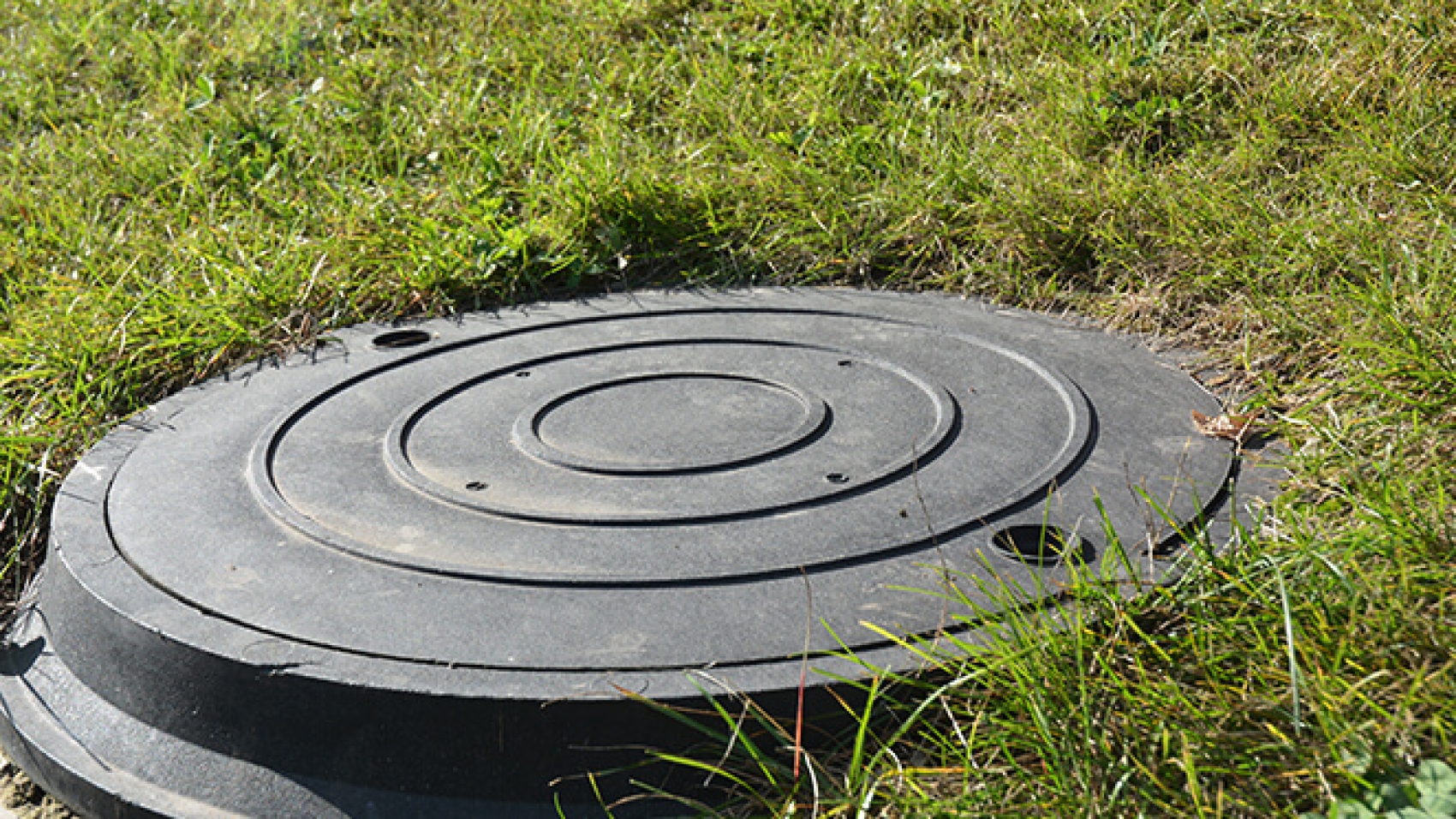
An image of a cess pit

The Dangers of Septic Tanks and Cesspits

If your home or business is out in the countryside or otherwise ‘off the grid’, you may use an alternative sewage treatment method such as a septic tank or cesspit/cesspool.

As well as upcoming changes to legislation making sewage treatment plants the only approved method of waste treatment, septic tanks and cesspools pose a number of risks and can damage the environment around them.

Find out more about the hidden dangers of septic tanks and cesspits and why you should upgrade to a full sewage treatment plant in our latest blog post.

What’s the Difference Between a Septic Tank and a Cesspit?

Contrary to popular belief, a cesspit and a septic tank are two different things – the fundamental difference is that within a cesspit, sewage is simply stored, the cesspit is then emptied by a professional when it is full.

On the other hand, within a septic tank, sewage is stored and partially broken down before being discharged, whilst safer than raw sewage, this discharge is still considered to cause damage to the environment.

The General Binding Rules 2020

The General Binding Rules were first released in 2015 and come into force in 2020. If you have a septic tank that discharges into a body of water such as a stream, you’ll need to upgrade to a sewage treatment plant before 2020.

Additionally, if your current set up is found to be negatively impacting its surrounding environment, or if you are looking to sell your property, you will be required to upgrade sooner.

Dangerous Gases

Due to the nature of what is stored within them, both cesspits and septic tanks contain gases that are potentially harmful to health. Whilst there is no risk when they are sealed in the tank, there are several dangers they hold including:

  • Rupture of the tank – This can be caused by tree roots and building works and will result in harmful gases being released in the vicinity of the septic tank or cesspit.
  • Lid collapse – Septic tanks generally have a concrete lid to keep them secure. Over time, the gases can eat away at the lid, causing it to become weaker and increasing the risk of collapse.
  • Fires – The gases produced by cesspits are extremely flammable, a naked flame should never be anywhere near a cesspit.
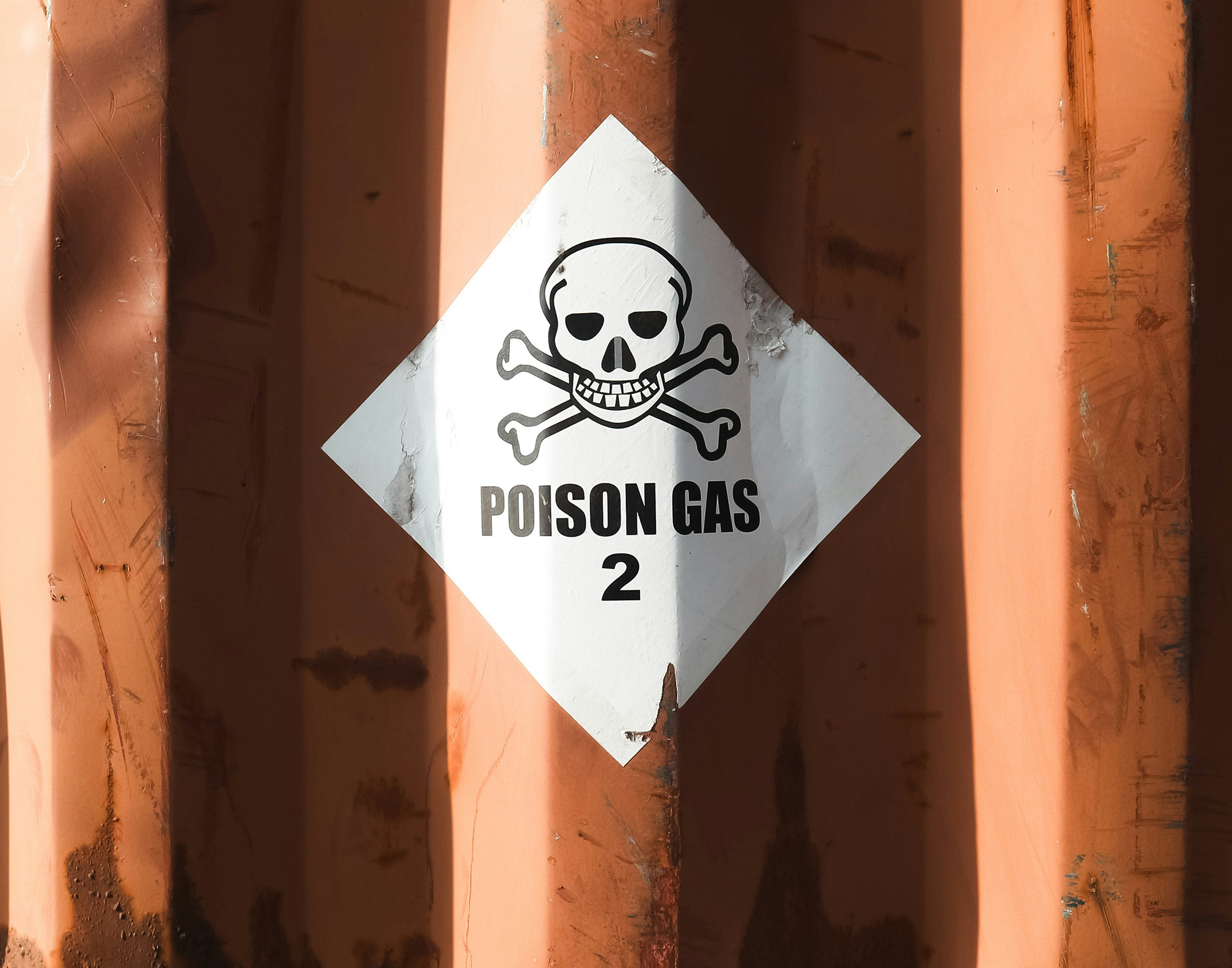
A label "poison gas" on a container

Flooding

Flooding of a septic tank can be caused by several circumstances including heavy rain, flooding, blocked pipes, damage to internal components and saturated soil preventing discharge.

If your septic tank is flooding, you will need to reduce or completely restrict the amount of water that is used to avoid contracting an illness and making the problem worse, you find raw sewage backing up into your sinks and toilets.

Additionally, you will need to contact a professional to inspect and service the tank, failure to do so can leave you liable to legal action should the flooding cause a health or pollution risk.

Flooding can cause a lot of damge to your property or the facilities which you manage!

In an emergency call us on 0117 954 8030

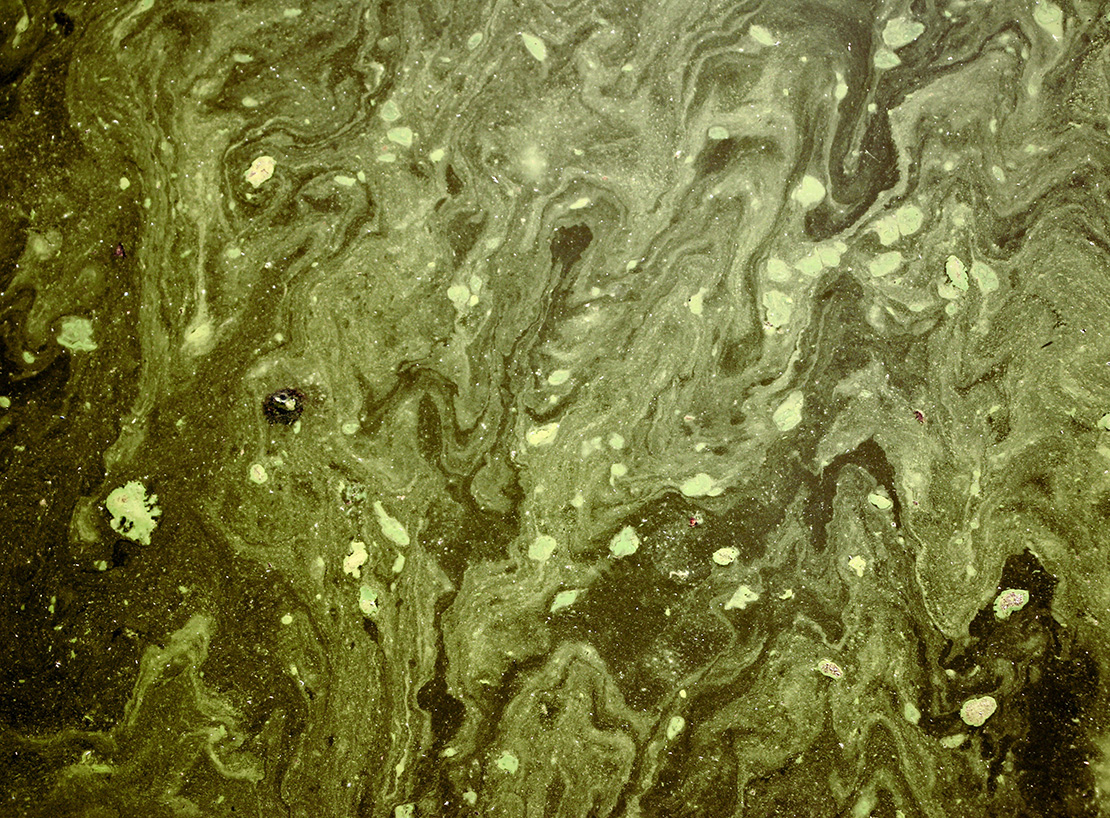
An image of highly contaminated water

Pollution

As cesspits are sealed, they generally only cause damage to the environment around them if they are damaged. However, as septic tanks discharge into bodies of water, they can cause serious damage to the environment, killing wildlife and contaminating private water supplies.

In addition to sewage, a septic tank or cesspit will contain anything that is flushed down the toilet or poured down the sink, this often includes chemical cleaning products, kitchen oils, detergent and human waste.

Inspection Costs

The final danger of cesspits and septic tanks is the amount they will cost you! In addition to installation costs, you will need to pay for regular emptying, inspection and servicing of your cesspit or septic tank in order to prevent it from posing a risk.

Furthermore, if your property currently relies on a septic tank or cesspit, you will have trouble selling it, as the new owners will have to take into consideration all the costs associated with maintaining it and the inevitable cost of upgrading to a sewage treatment plant.

Nationwide Sewage Treatment Plant Installation, Repair and Maintenance

If your property currently handles sewage through a septic tank or cesspit, you will need to upgrade it before 2020. At Mawdsleys Pumps, we provide a nationwide service for the installation, repair and maintenance of sewage treatment plants; we’ll even remove and dispose of the old unit for you.

For more information, give one of our expert team a call today on 0117 954 8030

An image of a football field with players on it

Sports Pitch Maintenance Tips for Groundskeepers

Having a pitch maintenance plan is essential for groundskeepers at any level of the sport. Without proper care and attention, the quality of the pitch can slip; impacting the standard of play, increasing the risk of injury, causing financial loss for the club and even leading to games being cancelled or forfeited.

At Mawdsleys Pumps, we recognise the importance of keeping a high standard of pitch and have worked with sports teams of all standards to help keep their pitch in order, from semi-professional football pitches to rugby world cup pitches.

If you are a groundskeeper, owner, manager or volunteer that’s responsible for the upkeep of a football, rugby, cricket, golf, equestrian, bowls or other sports field; our top tips to sports pitch maintenance will help you take proper care of it all year round.

engineer checking readings on a tablet

What to Expect From Your Booster Pump Maintenance Contract

Booster pumps play a vital role in environments such as schools, blocks of flats and apartments, public buildings and offices, increasing water pressure to enable the transportation of water across several storeys.

When booster pumps fail, the result can be extremely disruptive for building users, with water pressure dropping and in some cases, water supplies being cut off completely.

Unfortunately, many premises that rely on a booster pump neglect regular qualified maintenance, leaving essential tasks to on-site maintenance and repair teams who may not have the skills, tools and expertise to properly maintain pumps or notice when something is wrong before it’s too late.

Read our latest blog post to find out more about the recommended frequency of booster pump maintenance, what should be checked during a service, signs that a service may be due, as well as a checklist to help you carry out routine checks yourself.

Recommended Booster Pump Service Frequency

If you’re responsible for the care and ongoing maintenance of a booster pump, you should aim to have it serviced by a professional pump engineer annually. Preventative maintenance of your pumps through a regular pump service plan offers a number of benefits including:

  • Reduced risk of unexpected breakdown.
  • Increased efficiency of the pump.
  • Decreased risk of injury from pump malfunction.
  • Higher building user satisfaction.
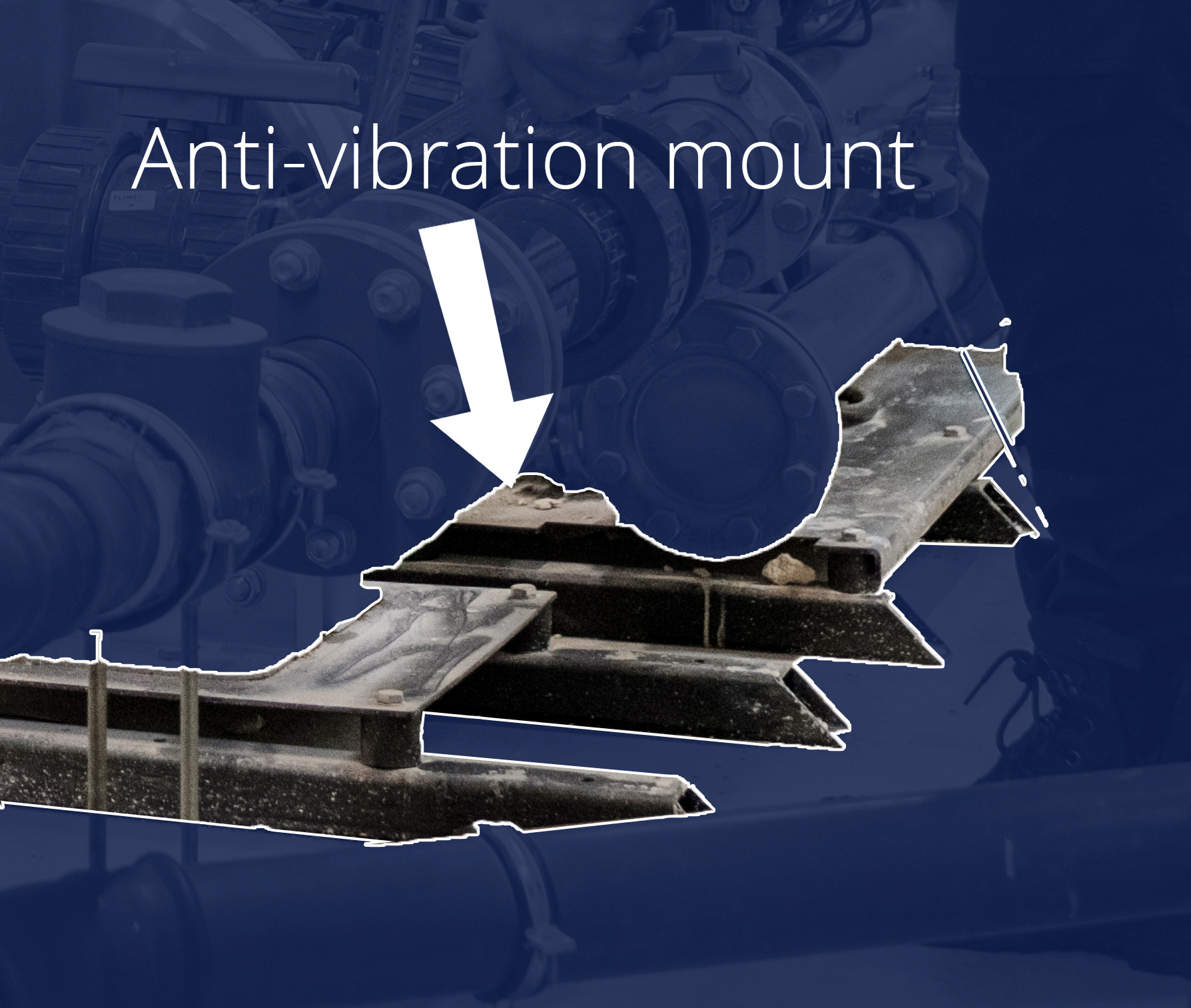
  • Reduced noise and vibration from the pump.
  • Rectification of small problems before they develop into larger (and more expensive) ones.
An image of an engineer programming a booster set

What’s Checked During a Booster Pump Service?

During a booster pump service with Mawdsleys Pump Services, a number of key components will be inspected to assess their health. Before the inspection commences, a full risk and method statement in undertaken, following this, a series of checks are carried out including:

  • Take pump information including serial number, KW, volts, amps phase, etc.
  • Water tank valve ball.
  • Inlet pipe work and valves.
  • Outlet pipe work and NIR/Valves.
  • Pressure vessels check.
  • Tank pressure check.
  • Gauge check.
  • Pressure sensor check.
  • Start and stop pressure.
  • Speed control system.
  • Single phase.
  • 3 phase.
  • Hours run.
  • Rotation of motors.
  • Running amps.
  • Earth and bonding.
  • Check earth trip.
  • Check panel.
  • Check bulbs on panel.
  • Check pumps.
  • Return to automode.

Throughout the inspection, vital components such as bearings will be replaced. Following inspection, a full report will be issued to highlight any areas that require remedial work or may soon require attention.

Signs That Your Booster Pump Is In Need Of a Service

In addition to your regular maintenance contract, you should call in a professional pump engineer if you notice any of the following:

  • Excessive vibration from the pump.
  • Excessive noise being created by the pump. Read our blog to find out more about controlling noise in your booster pump system.
  • Low water pressure.
  • No water pressure.
  • Rust or degradation within any component of the pump.
  • Leaking from pipework or pump unit.
  • Increase in energy bills.

Booster Pump Maintenance Checklist

Before carrying out any pump maintenance or visual checks, you should ensure you have consulted the pump manufacture’s supply manual and have the right protective equipment. You should aim to carry out the following checks on a monthly basis:

  • Visual inspection of the shaft seal for any leakage, you should call a professional pump engineer if you notice any leakage.
  • Visual inspection of the pumps pressure and discharge gages, any abnormal readings should be assessed by a professional pump engineer.
  • Check of the pumps foundation to ensure the frame is secure – any bolts that are loose should be tightened – if this problem reoccurs is could be a sign of excessive vibration.
  • Check vital components of the pump for any rust or other degradation.

To help you keep on top of routine maintenance, we’ve created a free inspection checklist for responsible persons. Click the button to download your copy.

Booster Pump Maintenance Contracts at Mawdsleys

At Mawdsleys Pump Services, we offer pump maintenance and servicing contracts for all types of pumps within any environment.

Our maintenance contract users benefit from priority response, regular preventative maintenance visits, 24/7 call out and more to ensure their pumps are running as efficiently as possible with minimal risk of breakdown.

For more information about our pump maintenance contracts or any of our other services, give one of our expert team a call today on 0117 954 8030.

Pumping system maintenance for schools

Back To School – Are Your Pumps Ready for the New Term?

Pumping system maintenance for schoolsWith summer coming to an end, the new term is looming for schools and other educational establishments across the country.

In these environments, proper maintenance of pumps and associated equipment is essential, but stretched budgets, no maintenance plans and lack of knowledge can often result in schools dealing with unexpected breakdowns.

In our latest blog post, we’ll run through the risks of failing to maintain pumping equipment in schools, the pumps most commonly found in schools, checks you can carry out and how Mawdsleys can help ensure your pumps stay up and running all year round.

2 engineers in hi vis jackets in front of two Mawdsleys Vans

Dirty Water Pumping Systems – Maintenance and Common Issues

Dirty water pumping systems are used in a variety of situations when gravity can’t carry the water, these include pumping waste in a private property into a main sewer, drainage at a commercial yard, waste plants, dirty water transportation on farms and yard run off. The type of pump you will have will be based on your need and dependent on the flow, pressure and distance you wish to pump waste water.

Autumn can be a difficult time if you have a dirty water pump on your premises. A common cause of  failure in autumn is blockages due to the excess amount of falling leaves and a general increase in the amount of rainfall. There is never a good time for your dirty water pump to fail and regular maintenance is essential to ensure this doesn’t happen.

Common Problems with Dirty Water Pumping Systems

Dirty Water Pump On Farm

Pump tripping the MCB (miniature circuit breaker) – this can be a sign that water has entered the winding of your pump, you can expect excess rainfall over Autumn in comparison to Summer, therefore this problem might be more likely to arise throughout this upcoming period. This problem can be easily resolved with a pump rewind – our dedicated rewind shop in Bristol means we can have your pump back up and running quickly.

Problems with your Phase Convertor – Over time the phase convertor in your pump can fail, this problem can be identified by pump underperformance or complete failure. To resolve this problem, we can overhaul your phase convertor at a fraction of the cost of pump replacement.

Blockage by rag – This is one of the most common causes of failure we find in submersible pumps. In some cases they can result in complete stoppage leading to costly downtime and potential pump damage.

Floats sticking – This is caused by grease build up around the floats, it can be reduced by using a grease trap – this is designed to naturally separate out and fats and grease from waste water.

Regular Pump Maintenance Plan

All of the above issues can be avoided with a maintenance plan, where all the elements of your dirty water pumping system are checked, maintained and replacement parts fitted before the pump actually fails. It is always better to prevent a pump failure than wait for it to happen. Not only will you avoid downtime but you reduce the risk of damage to the pumping system which would be more costly than replacing a worn part.

Early indication of possible pump/motor failure can be diagnosed during routine maintenance procedures, mechanical seals and O rings can also be checked and early notification can also prevent costly seal failures and downtime.

Agricultural Dirty Water Pumping Systems for Farmers

Following ‘Brexit’, there is a little uncertainty for UK farmers as to whether they will have the same subsidies that have been provided by Brussels, after we leave the EU.

At Mawdsleys Pump Services, we have worked with farmers for many years and we know the agricultural industry. In light of these potential financial losses you may experience, we can offer practical and cost effective solutions to your water disposal needs based on a site visit with a full survey and no obligation quote provided. Our dirty water pumping systems come with a 2 year guarantee and 24 hour breakdown call out service.

Our Dirty Water Disposal System

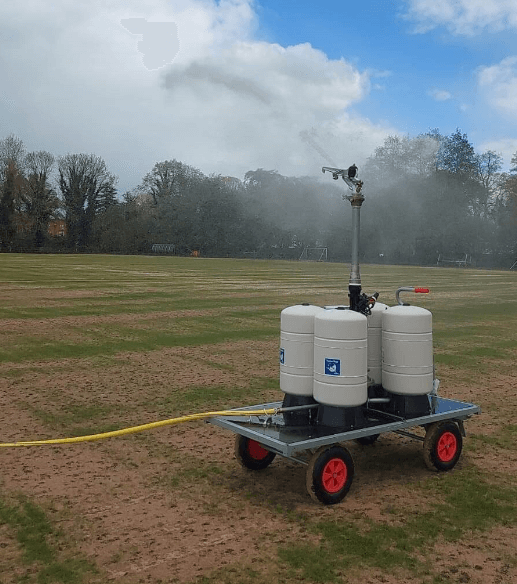
  • Our standard system uses a submersible macerator pump, incorporating a non-return valve and anti-siphon device – eliminating air-locking and pump cycling.

  • A control system is provided and is monitored by a green bulkhead light which provides a visual indication that the system is ready for use.
  • The pump delivers out to manually movable sprinklers, generally 2 or 4 dependant on your needs, with each discharge 36 LPM (500 GPH) at a radius of 15 metres (49 feet).
  • The pump is generally installed on a fabricated steel base, supporting the pump in a position approximately 30 cm above the bottom of the pit providing a means of safely lifting the pump.
  • Our pumps are constructed with standard components so that replacement items are readily available for immediate dispatch if required.

Talk To Our Expert Team Today

If you need advice or guidance on how we can assist you in managing and maintaining your dirty water pump, or are interested in a free, no obligation quote based on your needs. We cover a vast majority of the South West from Bristol and Bath to Dorset and Cornwall – Give us a call on 0117 954 8030.

An image of a moving train

Pump Repairs for Train Depots

In the Rail Industry, it is imperative that vital components such as pumps are kept in good working order to ensure the line remains operational.

Downtime, delays and breakdowns are not well received by commuters on the UK rail network; leading to dissatisfaction and complaints.

Find out more about the installation, maintenance and repair services we provide for train depots Nationwide to keep their fleets running without disruption.

New Vans At Mawdsleys

Have You Seen Our New Vans?

It has been an exciting few months here at Mawdsleys, not only are we in the process of moving into a bigger, more efficient location, we have also undergone a rebrand.

Our new logo was designed to reflect the Mawdsleys values of innovation and precision engineering alongside a continued commitment to deliver the best service to our customers.

Sandbags to prevent flooding at UK homes and businesses

4 Step Flood Contingency Plan For Home And Business

Sandbags to prevent flooding at UK homes and businessesThe first named storm of the season has hit the UK. Storm Aileen has already done extensive damage to homes and businesses throughout northern parts of the UK, with public transport services affected and thousands left without power.

Whilst flooding is not uncommon in the UK, homes and businesses are rarely properly prepared for flooding when these storms hit. To ensure that your home or business is prepared for storms and flooding, read our simple 4 step flooding contingency plan.

Mawdsleys Logo

Mawdsleys BER Ltd – New Location and Rebrand 2017


Mawdsleys – New Location and a Rebrand

At Mawdsleys we pride ourselves on putting our customers first.  We are committed to always delivering the best possible solution and service to them.

Since we opened for business the loyal support of our customers has helped us establish our business firmly as a British manufacturer with specialist precision engineering skills that design, manufacture and service rotating electrical machinery.

As we have grown as a business it has impacted on our working space in Bristol which we have now outgrown.  We have spent the last number of months searching for an ideal location – one that gives us the opportunity to extend our workshop area and give us the facilities we need in a manufacturing plant to continue to serve our customers well. We are delighted that we have now found it and will continue with our presence in a central Bristol location.

Our business, including website, email and telephones will be fully operational during the moving process and you will not experience any changes or delays in service, production or delivery during that time.

We have another exciting change to announce.   As our valued customer you are familiar with Mawdsleys BER Ltd logo which has been with us throughout the years.  Maintaining our name has always been important to us and we are proud to announce that to sit alongside our name we have changed our logo to reflect Mawdsleys values of engineering innovation and precision, service excellence and relationships. We hope you like it as much as we do.

We will continue to keep you updated on our move date and address and look forward to welcoming you to our new location early in 2018.

Yours sincerely,

Peter Woodward

Pete Woodward

Managing Director